What Are the Treatment Options for Color Weakness?
May 17, 2022
Source: Cainiu Health

Dr. Chen You
Introduction
Color blindness and color weakness are relatively common color vision disorders encountered in ophthalmology. Based on etiology, they can be classified into two types: congenital color weakness/color blindness and acquired color blindness. Individuals with congenital color vision abnormalities exhibit poor color discrimination from birth and may pass this condition on to their offspring. Currently, there is no particularly effective treatment for this condition; however, suppositories or color-blindness-correcting glasses may be attempted to partially alleviate symptoms.
Many people in daily life suffer from myopia and color vision deficiency. Both conditions involve visual impairment, yet they are unrelated—myopia does not cause color vision deficiency. Color vision deficiency reflects an abnormality in color perception. So, what treatment options are available for color vision deficiency?
What Are the Treatment Options for Color Vision Deficiency?
Color blindness and color vision deficiency are relatively common color vision disorders encountered in ophthalmology. Based on etiology, they can be classified into two main types: congenital (inherited) color vision deficiency and acquired color vision deficiency. Individuals with congenital color vision abnormalities exhibit impaired color discrimination from birth, and this condition may be inherited by offspring. Currently, no highly effective curative treatments exist for congenital forms; however, certain interventions—such as specialized color-correcting lenses or suppositories—may help alleviate some symptoms. Acquired color vision abnormalities often result from ocular diseases—including optic nerve disorders, retinal disease—as well as systemic conditions such as neurological or psychiatric disorders, intracranial pathology, or toxic exposures. Unlike the congenital form, acquired color vision deficiency is generally non-hereditary, and targeted treatment addressing the underlying cause may lead to significant improvement or even full recovery.
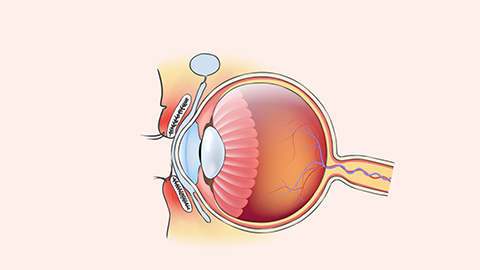
Color vision deficiency is categorized etiologically into congenital and acquired forms. Congenital color vision deficiency is typically an autosomal recessive inherited condition. Affected individuals can usually distinguish isolated colors but struggle when multiple colors are presented simultaneously or in complex patterns. Dietary supplementation with foods rich in vitamin A—such as animal liver and carrots—may offer limited supportive benefit, but a complete cure remains elusive. In contrast, acquired color vision deficiency—often secondary to optic nerve or retinal disease—may be reversible if the underlying cause is accurately diagnosed and appropriately treated.

We hope this information has been helpful to you.