Health Benefits and Effects of Walnut Oil
May 17, 2022
Source: Cainiu Health

Dr. Zhao Haiming
Introduction
Benefits and Effects: Walnut oil is rich in vitamins, which can delay cellular aging; lower cholesterol levels, prevent atherosclerosis and cardiovascular diseases; nourish the brain and enhance memory; clear heat, resolve phlegm, moisten the lungs, and relieve coughing; help prevent cancer and depression. However, it also has drawbacks: walnut oil contains a relatively high amount of fat, which may contribute to weight gain.
Walnut oil is a plant-based edible oil extracted by pressing walnut kernels. With a fat content as high as 65–70%, walnuts rank first among all woody oil-bearing plants. So, what are the health benefits and effects of walnut oil?
Health Benefits and Effects of Walnut Oil
Benefits and effects: Walnut oil is rich in vitamins, helping to delay cellular aging; lower cholesterol levels; prevent atherosclerosis and cardiovascular diseases; nourish the brain and enhance memory; clear internal heat, resolve phlegm, moisten the lungs, and relieve coughing; reduce cancer risk; and help prevent depression. However, it also has potential drawbacks: its high fat content may contribute to weight gain. Walnut oil can be mixed into fruit juice or yogurt for consumption, or used for stir-frying and salad dressings.

Consuming walnut oil offers multiple health benefits. First, it promotes brain development and enhances memory—making it an excellent natural nootropic. Second, it supports retinal development. Its nutritional profile is exceptionally rich, containing unsaturated fatty acids, natural vitamins A and D, alpha-linolenic acid (ALA), and more—all with a well-balanced acidity level, yielding a mild, refreshing, and pleasant taste. Nevertheless, proper usage methods should be observed.
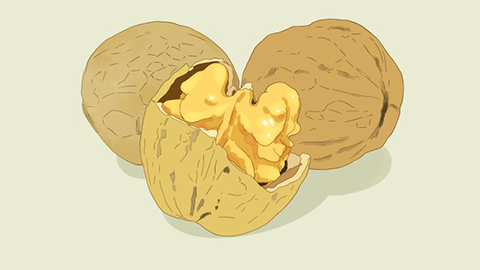
Walnut oil is also abundant in natural vitamin E—a vital nutrient for brain development and retinal nerve formation. Therefore, it is especially suitable for pregnant and lactating women as well as children. We hope this article has been helpful to you!