


What causes sneezing, runny nose, and watery eyes?
May 17, 2022
Source: Cainiu Health

Dr. Guo Xiheng
Introduction
Allergy: Symptoms typically occur during seasonal transitions when the body is exposed to allergens. Patients commonly experience profuse nasal discharge, frequent consecutive sneezing, intense ocular itching, and excessive tearing—often indicating concurrent allergic conjunctivitis. Treatment generally includes azelastine hydrochloride eye drops for the eyes, budesonide nasal spray for intranasal use, and oral ebastine tablets.
Rhinorrhea (runny nose), lacrimation (watery eyes), and sneezing are clinically associated with two primary conditions. So, what causes sneezing, rhinorrhea, and lacrimation?
What Causes Sneezing, Rhinorrhea, and Lacrimation?
Clinically, these symptoms are generally attributed to either upper respiratory tract infection (URTI) or allergic reaction.
Upper Respiratory Tract Infection: This occurs when the body’s immune defenses are weakened, allowing bacterial or viral pathogens to invade. Patients may be advised to take oral Pudilan Anti-inflammatory Oral Liquid, combined with Lianhua Qingwen Capsules, to facilitate recovery.
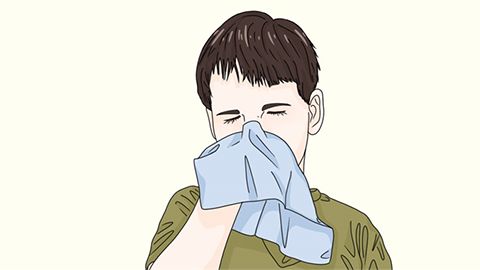
Allergic Reaction: Typically triggered during seasonal transitions upon exposure to allergens, this condition manifests as profuse rhinorrhea, frequent sneezing, intense ocular pruritus (itching), and lacrimation—often accompanied by allergic conjunctivitis. Treatment commonly includes azelastine hydrochloride eye drops for the eyes, budesonide nasal spray for intranasal use, and oral ebastine tablets. Additionally, patients are encouraged to engage in regular physical exercise to enhance their overall immunity.
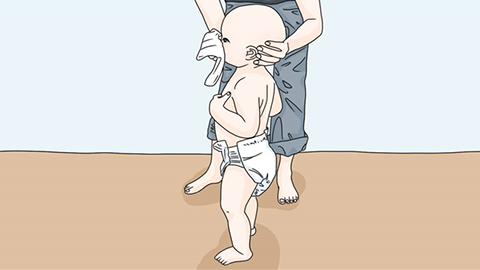
These symptoms may also result from exposure to cold or common cold, leading to nasal mucosal congestion, edema, and increased inflammatory secretions—causing rhinorrhea. The underlying inflammation can further trigger sneezing and lacrimation. Symptomatic relief may be achieved with Vitamin C and Weijing Tablets or Pediatric Paracetamol, Artificial Cow-bezoar, and Chlorphenamine Granules. If thick, yellow nasal discharge develops, secondary bacterial infection should be suspected, necessitating oral antibiotic therapy.



