


What do “nocturnal emission” and “spermatorrhea” mean?
May 17, 2022
Source: Cainiu Health

Dr. Li Mingchuan
Introduction
Nocturnal emission refers to ejaculation occurring in the absence of sexual intercourse. When it occurs during sleep with dreams, it is termed “nocturnal emission” (or “wet dreams”); when it occurs while awake, it is termed “spontaneous emission.” In males after puberty, semen production by the reproductive organs is continuous, and the produced semen is stored in the vas deferens. Once a certain volume has accumulated, it is expelled via nocturnal emission, masturbation, or ejaculation during sexual intercourse.
Some men experience nocturnal emissions or spontaneous ejaculation in daily life. But what exactly do “nocturnal emission” and “spontaneous ejaculation” mean?
What Do “Nocturnal Emission” and “Spontaneous Ejaculation” Mean?
Nocturnal emission refers to ejaculation occurring without sexual intercourse. When it happens during sleep—often accompanied by erotic dreams—it is termed “nocturnal emission” (or “wet dreams”). When it occurs while awake, it is called “spontaneous ejaculation.” After puberty, a male’s reproductive organs continuously produce semen, which is stored in the vas deferens. Once a certain volume accumulates, the body naturally expels it via nocturnal emission, masturbation, or sexual intercourse. Nocturnal emission thus exemplifies the physiological principle of “overflow upon fullness.”
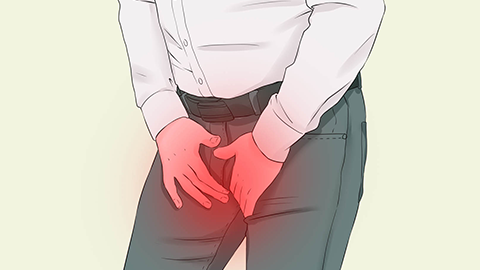
In most cases, nocturnal emission is a normal physiological phenomenon, commonly observed in adolescents or adult men who are separated from their partners for extended periods. If it occurs fewer than eight times per month, it is considered physiological (i.e., normal) nocturnal emission and generally has no adverse health effects—it is not pathological. To maintain health, individuals should engage in regular physical exercise to strengthen their constitution, relax mentally, reduce stress, avoid spicy and stimulating foods, abstain from smoking and alcohol, and minimize late-night activity.
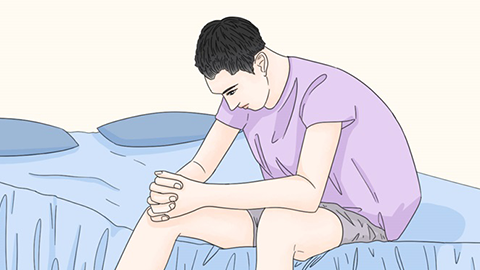
Conversely, pathological nocturnal emission is characterized by excessive frequency—occurring more often than physiologically expected. Even men with regular sexual activity may experience repeated nocturnal emissions, sometimes even in the absence of sexual arousal. Pathological nocturnal emission can adversely affect both physical and mental well-being, impairing work performance, academic achievement, and overall health. Therefore, appropriate lifestyle guidance and, when necessary, pharmacological intervention are warranted. We hope this explanation proves helpful to you.






