


What Are the Symptoms of Fetal Growth Restriction?
May 17, 2022
Source: Cainiu Health

Dr. Chen Zhe
Introduction
During pregnancy, intrauterine fetal growth restriction (IUGR) may manifest through certain maternal signs and symptoms. Attentive pregnant women can use these indicators to assess fetal well-being. For instance, inadequate abdominal growth during pregnancy may suggest IUGR, and other associated signs may include abnormal weight gain or loss. Many pregnant women—without realizing it—may inadvertently compromise fetal health due to minor lapses in attention or care.
In daily life, cases of fetal growth restriction (FGR) may occur. What symptoms might indicate FGR?
What Symptoms May Indicate Fetal Growth Restriction?
During pregnancy, intrauterine fetal growth restriction (IUGR) may manifest through certain maternal physical signs. Attentive expectant mothers can use these indicators to assess their baby’s health status. For instance, if abdominal enlargement fails to meet expected milestones for gestational age, the fetus may be experiencing IUGR. Other associated signs include abnormal maternal weight changes. Many pregnant women inadvertently compromise fetal health due to minor oversights; others develop IUGR for various reasons during pregnancy. Untreated IUGR can adversely affect the newborn’s health at birth—prompt medical evaluation and intervention are therefore essential. Please note that fetal growth may lag behind expected norms: as gestational weeks progress and the fetus grows larger, maternal weight should also steadily increase.
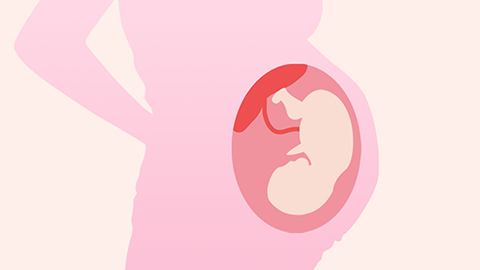
Throughout pregnancy, women should closely monitor both their physical condition and dietary habits. While pregnant women generally have few strict dietary restrictions, they should avoid overeating—opting instead for smaller, more frequent meals. Regular moderate physical activity is also important; prolonged sitting should be avoided, as it offers no benefit to fetal development. Expectant mothers are encouraged to consume fruits regularly, especially those with warm or neutral thermal properties, while limiting intake of cold- or cool-natured fruits.

Additionally, if any other unusual symptoms arise, prompt medical evaluation at a hospital is recommended to identify the underlying cause and initiate appropriate management. We hope this information is helpful. Wishing you good health and happiness!




