


What are the symptoms of pancreatitis, and where does it hurt?
May 18, 2022
Source: Cainiu Health

Dr. Zhao Haiming
Introduction
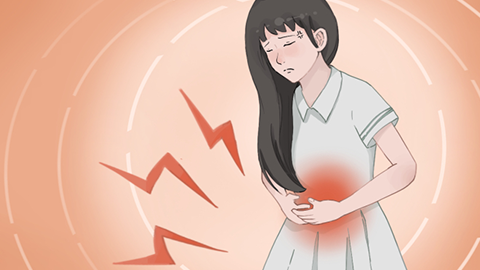
Abdominal pain is the predominant symptom, typically sudden in onset and often occurring after eating or alcohol consumption. The pain is invariably paroxysmal and persistent. Its location varies depending on the site of the lesion: it generally occurs in the mid-abdomen; when the main lesion involves the body or tail of the pancreas, pain is primarily localized to the upper mid-abdomen and left upper abdomen, radiating to the left lumbar and dorsal regions; when the head of the pancreas is involved—or in biliary pancreatitis—pain is predominantly in the right upper abdomen, radiating to the right shoulder and back.
In daily life, some individuals experience sudden, severe abdominal pain but delay seeking timely medical treatment—often because they are unaware of the symptoms of pancreatitis—thereby exacerbating their physical suffering. So, what are the symptoms of pancreatitis, and where does the pain occur?
What Are the Symptoms of Pancreatitis, and Where Does the Pain Occur?
Abdominal pain is the predominant symptom, typically abrupt in onset and frequently triggered by eating or alcohol consumption. The pain is usually persistent and episodic. Its location varies depending on the site of pancreatic involvement: generally centered in the mid-abdomen. If the inflammation primarily affects the body or tail of the pancreas, pain is localized to the upper-middle and left upper abdomen and may radiate to the left flank and back. In cases involving the pancreatic head—or in biliary pancreatitis—pain is predominantly felt in the right upper abdomen and may radiate to the right shoulder and back. When the entire pancreas is involved, patients often describe a band-like pain across the upper abdomen. As inflammatory exudate spreads into the peritoneal cavity and inflammation progresses, the pain becomes generalized, manifesting as diffuse peritonitis.
Patients with acute pancreatitis require fasting, gastric decompression, correction of fluid and electrolyte imbalances, enteral nutrition, and close monitoring of vital signs. Pharmacologic therapy may include urinary trypsin inhibitors and antibiotics targeting Gram-negative bacilli, aimed at suppressing pancreatic secretion and controlling infection. For patients with concurrent biliary obstruction and inflammation, early surgical intervention is recommended—such as cholecystectomy, abdominal drainage, and endoscopic stone removal—to relieve biliary obstruction, all with minimal invasiveness.

In daily life, avoid spicy and irritating foods, drink plenty of water, and ensure adequate rest. We hope this information proves helpful to you!




