


Can people with eczema drink alcohol?
May 18, 2022
Source: Cainiu Health

Dr. Liu Wan
Introduction
Consuming alcohol, spicy foods (e.g., chili peppers), raw scallions, ginger, or garlic, as well as milk and eggs, may exacerbate eczema or trigger recurrent flare-ups in patients. Therefore, alcohol consumption is not recommended during active disease. The primary step in treating eczema is to identify and eliminate causative factors; thus, patients should avoid spicy foods and alcohol during flare-ups, and also avoid fish, shrimp, and other seafood.
Eczema is an allergic reaction triggered by a decline in the body’s immune resistance. It is a stubborn dermatological condition. However, some eczema patients wish to consume alcohol but are uncertain whether drinking may affect their condition. So, can individuals with eczema drink alcohol?
Can individuals with eczema drink alcohol?
Consuming alcohol—or eating spicy foods such as chili peppers, raw scallions, ginger, or garlic—as well as dairy products (e.g., milk) and eggs, may exacerbate eczema or trigger recurrent flare-ups. Therefore, alcohol consumption is not recommended during active disease episodes. The primary principle of eczema management involves identifying and eliminating causative factors. During active phases, patients should avoid spicy foods and alcohol, as well as potentially irritating foods including fish, shellfish, seafood, beef, mutton, and other similar items. Concurrently, underlying chronic internal medical conditions should be actively managed.
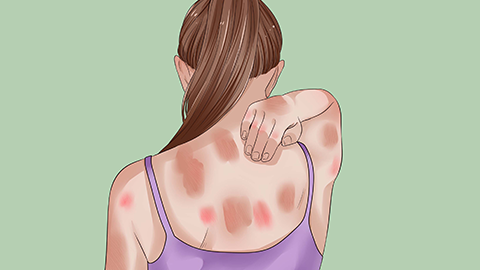
Oral medications for eczema primarily aim to reduce inflammation and relieve itching. These include second-generation antihistamines and sedative-hypnotics; vitamin C and calcium supplements may also be used. In cases of secondary infection, antibiotics may be added. Topical treatments should be selected based on the morphology of the skin lesions and commonly include topical corticosteroids, calamine lotion, boric acid solution, and calcineurin inhibitors.

If patients experience such symptoms, they must cooperate closely with their healthcare providers to ensure effective treatment and promote recovery. We hope this article has been helpful to you!


