


Can people with high uric acid levels eat eggs?
May 19, 2022
Source: Cainiu Health

Dr. Liu Aihua
Introduction
Patients with hyperuricemia can consume eggs, as eggs are low in purines and do not elevate serum uric acid levels; they are also rich in protein. Patients with elevated uric acid levels are generally encouraged to include eggs regularly in their diet, along with other low-purine foods such as vegetables, fruits, and milk. Hyperuricemia poses numerous health risks, including an increased likelihood of developing gouty arthritis and serving as a significant risk factor for cardiovascular and cerebrovascular diseases.
When it comes to eggs, many people are undoubtedly familiar with them—especially since numerous individuals habitually eat eggs for breakfast every day. Eggs are rich in high-quality protein, providing the body with essential nutrients and energy, thereby supporting enhanced learning and work performance throughout the day. But can individuals with hyperuricemia (elevated uric acid levels) safely consume eggs?
Can individuals with hyperuricemia eat eggs?
Yes—individuals with elevated uric acid levels may safely consume eggs. Eggs are low in purines and therefore do not contribute to increased uric acid production; moreover, they provide abundant high-quality protein. In fact, patients with hyperuricemia are generally encouraged to include eggs regularly in their diet. However, they should also emphasize other low-purine foods such as vegetables, fruits, and milk. Hyperuricemia poses multiple health risks, including an increased likelihood of developing gouty arthritis and serving as a significant risk factor for cardiovascular and cerebrovascular diseases. Thus, maintaining serum uric acid levels within the normal reference range is crucial. Additionally, many patients with hyperuricemia may concurrently suffer from hyperlipidemia. In such cases, consuming egg yolks (rather than only egg whites) may be acceptable—but always under medical guidance.
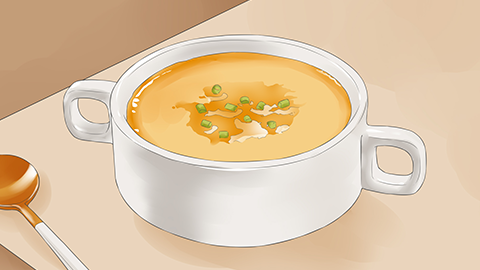
Individuals with hyperuricemia should prioritize low-purine foods, including refined rice, corn, refined wheat flour, steamed buns, noodles, macaroni, soda crackers, cabbage, carrots, celery, cucumbers, eggplants, lettuce, pumpkins, tomatoes, radishes, sweet potatoes, milk, all types of fruits, and nuts.

In addition to dietary management, patients should maintain a positive and optimistic mindset—this benefits both overall physical well-being and disease management. We hope this information proves helpful! Wishing you excellent health and a joyful life!


