


How many years does it typically take for fatty liver to progress to cirrhosis?
May 19, 2022
Source: Cainiu Health

Dr. Zhao Haiming
Introduction
Fatty liver disease is a benign metabolic disorder. If fatty liver does not involve elevated transaminase levels, it will not lead to cirrhosis. However, if the patient fails to protect liver function in daily life, the hepatitis caused by fatty liver may progressively worsen—typically over a period of approximately 10 to 20 years.
In daily life, cirrhosis often develops gradually from fatty liver disease. If a patient with fatty liver fails to receive timely treatment, the condition may progress to cirrhosis after a period of time. So, how many years does it typically take for fatty liver to progress to cirrhosis?
How long does it usually take for fatty liver to progress to cirrhosis?
Fatty liver disease is a benign metabolic disorder. When it does not involve elevated liver enzymes (e.g., ALT or AST), it generally does not lead to cirrhosis. However, if patients neglect liver protection and fail to manage their condition appropriately in daily life, inflammation caused by fatty liver may persist and progressively worsen—ultimately resulting in cirrhosis after approximately 10–20 years.
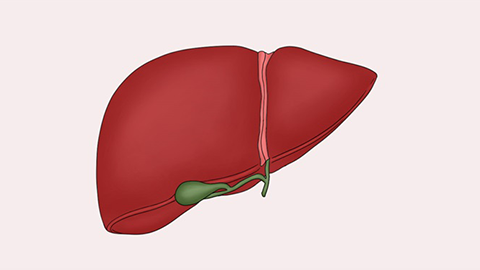
Cirrhosis is a common chronic digestive system disease, typically insidious in onset and slow in progression. Clinically, its course is divided into two phases: the compensated stage and the decompensated stage. During the compensated phase, most patients are asymptomatic or experience only mild symptoms—including abdominal discomfort, fatigue, decreased appetite, indigestion, and diarrhea. These symptoms tend to be intermittent and often exacerbated by physical exertion, mental stress, or coexisting illnesses. Rest and digestive-supportive medications can help alleviate symptoms and improve nutritional status.
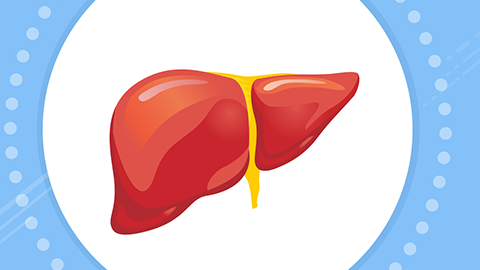
Therefore, patients with fatty liver disease should not underestimate this condition and must seek timely treatment and adopt appropriate lifestyle modifications. We hope this article has been helpful to you!



