


What causes umbilical cord abnormalities?
May 19, 2022
Source: Cainiu Health

Dr. Chen Zhe
Introduction
Etiologies of umbilical cord abnormalities include:
1. Congenital developmental anomalies of the umbilical cord, such as abnormal cord length, abnormal cord insertion (e.g., marginal or velamentous insertion), and single umbilical artery.
2. Cord entanglement or true knot formation resulting from fetal movement.
3. Cord prolapse or cord presentation secondary to abnormal fetal presentation, cephalopelvic disproportion, fetal growth restriction, or polyhydramnios.
The umbilical cord serves as a vital bridge connecting the fetus to the mother. For healthy fetal development, a normal umbilical cord is essential. However, umbilical cord abnormalities can occur. What causes such abnormalities?
Causes of Umbilical Cord Abnormalities
Etiologies of umbilical cord abnormalities include:
1. Congenital developmental anomalies of the umbilical cord, leading to abnormal cord length, abnormal cord insertion (e.g., marginal or velamentous insertion), or single umbilical artery.
2. Fetal movement-induced complications, such as nuchal cord (cord around the fetal neck) or true knots in the cord.
3. Predisposing factors for umbilical cord prolapse or presentation, including abnormal fetal position (e.g., breech or transverse lie), cephalopelvic disproportion, fetal growth restriction, or polyhydramnios.
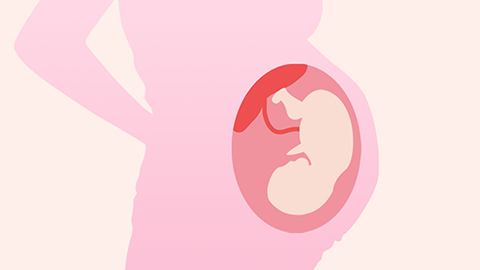
Umbilical cord abnormalities encompass various conditions, which are diagnosed based on specific manifestations—such as nuchal cord, cord prolapse, short cord, true cord knot, or excessively long cord. Umbilical cord abnormalities can adversely affect the fetus. Potential consequences include intrauterine fetal distress; impaired umbilical blood flow; disrupted carbon dioxide exchange; progressive fetal bradycardia; and abnormal fetal growth. In severe cases, these complications may endanger fetal life.

Prenatal care is crucial for managing umbilical cord abnormalities. Recommendations include increased bed rest, minimizing digital rectal or vaginal examinations, and performing any necessary examinations gently to avoid premature rupture of membranes. It is important to determine whether a nuchal cord is present—a relatively common occurrence. For personalized assessment and guidance, consult your healthcare provider. We hope this information is helpful!






