


How to Differentiate Mild, Moderate, and Severe Fatty Liver
May 19, 2022
Source: Cainiu Health

Dr. Zhao Haiming
Introduction
Fatty liver is categorized into three degrees: mild, moderate, and severe. Mild fatty liver refers to hepatic fat accumulation exceeding 5% but less than 10% of liver weight; moderate fatty liver corresponds to fat content between 10% and 20%; and severe fatty liver is defined as fat accumulation exceeding 20%. Fatty liver is commonly associated with unhealthy dietary and lifestyle habits leading to nutritional excess.
Fatty liver disease (hepatic steatosis) refers to a pathological condition characterized by excessive accumulation of fat within hepatocytes, caused by various factors. Fatty liver is clinically categorized into three severity grades—mild, moderate, and severe. Many patients are unaware of how to distinguish among these grades; so, how are mild, moderate, and severe fatty liver differentiated?
How to Differentiate Mild, Moderate, and Severe Fatty Liver
Fatty liver is classified as mild, moderate, or severe based on the percentage of fat infiltration in the liver. Mild fatty liver is defined as hepatic fat content exceeding 5% but less than 10%; moderate fatty liver corresponds to fat content between 10% and 20%; and severe fatty liver is diagnosed when fat content exceeds 20%.
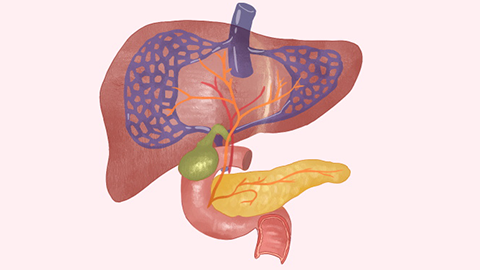
Fatty liver commonly results from unhealthy dietary and lifestyle habits leading to nutritional excess. Its development is associated with several contributing factors: • Metabolic disorders: Conditions such as nutritional excess, obesity, diabetes mellitus, and hyperlipidemia can induce hepatic steatosis. • Excessive alcohol consumption: Chronic heavy drinking predisposes individuals to alcoholic fatty liver disease. • Medications: Frequent use of dietary supplements or medications for other conditions may interfere with normal hepatic lipid metabolism. • Enzyme deficiencies: Although relatively rare, certain inherited enzymatic defects can also lead to fatty degeneration of the liver.
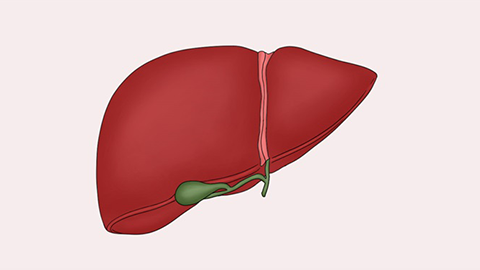
Patients are advised to adopt a daily diet rich in high-quality protein and vitamins, emphasizing light, easily digestible foods. Alcohol consumption should be avoided entirely, and intake of high-fat, greasy foods minimized. Additionally, patients should avoid binge eating, refrain from overeating at night, engage in regular physical exercise, aim for weight reduction, and—when indicated—take prescribed medications to manage blood glucose and lipid levels. We hope this article has been helpful to you!







