


What Is the Normal Range for Low Blood Pressure?
May 22, 2022
Source: Cainiu Health

Dr. Tian Hongbo
Introduction
The normal range for diastolic blood pressure is 60–80 mmHg. Diastolic pressure (i.e., the “lower” number) reflects the pressure in the arteries when the heart is relaxed and the arterial walls recoil elastically. A diastolic pressure of ≥90 mmHg indicates diastolic hypertension. For diastolic hypertension, antihypertensive drugs—particularly calcium channel blockers (CCBs) and angiotensin II receptor blockers (ARBs)—are commonly selected, as they are especially effective at lowering diastolic pressure.
Hypotension is also very common in daily life; however, many people are unaware of the normal range for diastolic (low) blood pressure. So, what constitutes a normal diastolic blood pressure?
What Is the Normal Range for Diastolic Blood Pressure?
The normal diastolic blood pressure range is 60–80 mmHg. Diastolic pressure—the “low” number—reflects the arterial pressure during ventricular relaxation and elastic recoil of the arteries. A diastolic pressure above 90 mmHg indicates isolated diastolic hypertension. For this condition, antihypertensive medications such as calcium channel blockers (CCBs) and angiotensin II receptor blockers (ARBs) are commonly prescribed, as they effectively lower diastolic pressure. Elevated diastolic pressure is typically caused by increased heart rate and heightened peripheral vascular resistance.
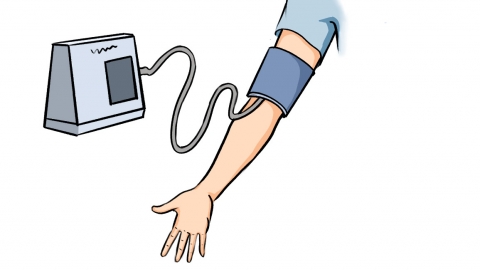
When blood pressure falls below either the systolic or diastolic lower limits—due to causes such as severe infection, massive hemorrhage, anaphylaxis, or dehydration—organ perfusion becomes inadequate, leading to tissue hypoxia and ischemia. Patients often experience diminished concentration, fatigue, chills, and, in severe cases, dizziness. If dizziness, blurred vision, or other symptoms attributable to hypotension occur, immediate medical evaluation and treatment are essential.
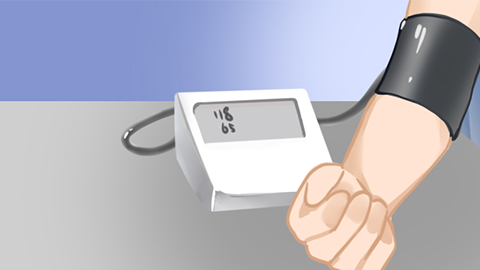
Generally, diastolic blood pressure should be maintained around 70 mmHg and not fall below 65 mmHg. Patients are advised to monitor their blood pressure regularly; ambulatory blood pressure monitoring may be warranted when necessary to assess overall 24-hour blood pressure patterns. Additionally, consuming more fruits and vegetables helps stabilize blood pressure, while salt intake should be reduced. We hope this article has been helpful. Wishing you a joyful life and good health!



