Normal Blood Pressure Range for 70-Year-Olds
May 22, 2022
Source: Cainiu Health

Dr. Li Man
Introduction
For a 70-year-old adult, the normal blood pressure range is a systolic pressure of 90–141 mmHg and a diastolic pressure of 60–91 mmHg. For patients diagnosed with hypertension, it is recommended to use antihypertensive medications to maintain blood pressure at approximately 150/90 mmHg. Additionally, blood pressure levels are influenced by multiple factors—particularly dietary habits. Elderly individuals with elevated blood pressure should avoid foods high in fat and cholesterol.
With improvements in living standards, an increasing number of people are developing high blood pressure. While hypertension has traditionally been more common among middle-aged and elderly individuals, it is now increasingly observed among younger populations. Not only does it cause physical harm, but it also adversely affects daily life and work performance. Understanding this condition is essential for effective prevention and treatment. So, what is the normal blood pressure range for a 70-year-old?
Normal Blood Pressure Range for 70-Year-Olds
For a healthy 70-year-old, the normal systolic blood pressure ranges from 90 to 141 mmHg, and the normal diastolic blood pressure ranges from 60 to 91 mmHg. For individuals diagnosed with hypertension, it is generally recommended to use antihypertensive medication to maintain blood pressure around 150/90 mmHg. Additionally, blood pressure levels are influenced by numerous factors—especially dietary habits. Elderly individuals with elevated blood pressure should avoid foods high in fat and cholesterol. Moreover, due to pronounced arterial atherosclerosis, reduced vascular elasticity, and diminished autoregulatory capacity in older adults, excessively low blood pressure may lead to orthostatic hypotension and inadequate cerebral perfusion. Therefore, regular blood pressure monitoring and documentation are strongly advised. Routine health check-ups—including assessments of cardiovascular and cerebrovascular health—are crucial for early detection and prevention.
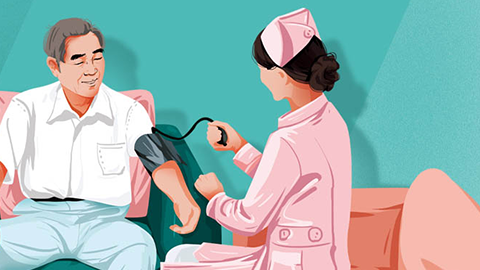
For 70-year-olds with hypertension, dietary recommendations include low-salt, low-fat meals; engaging in appropriate physical activity; avoiding mental stress and anxiety; preventing excessive fatigue; refraining from emotionally stimulating situations; ensuring adequate rest; consuming plenty of fresh vegetables and fruits; and avoiding organ meats, fatty cuts of meat, and fried foods. If blood pressure remains uncontrolled despite implementing these lifestyle modifications, antihypertensive medications should be selected based on the individual’s specific blood pressure readings.
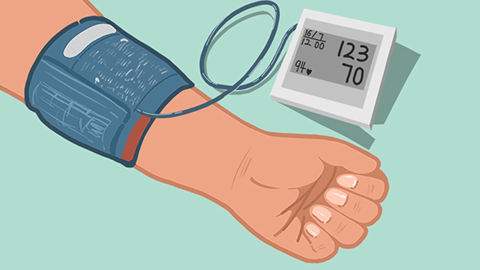
In daily life, avoid spicy and irritating foods; drink ample water to support metabolic function; and engage in moderate outdoor exercise to enhance immune function. We hope this information proves helpful!