


What Are the Symptoms of Hepatitis B?
May 23, 2022
Source: Cainiu Health

Dr. Jin Zhongkui
Introduction
Hepatitis B symptoms are generally categorized into acute and chronic hepatitis. Acute hepatitis B exhibits the most pronounced symptoms. It occurs when a patient is infected with a large quantity of hepatitis B virus (HBV) at once. Since HBV is a hepatotropic virus—primarily targeting the liver—and the liver is a major metabolic organ closely involved in everyday digestive functions, infection can significantly impact these processes.
Hepatitis B is a liver inflammation caused by the hepatitis B virus (HBV). Some individuals are chronic hepatitis B patients, while others are asymptomatic carriers of the virus. So, what are the symptoms of hepatitis B?
What Are the Symptoms of Hepatitis B?
Hepatitis B symptoms are generally categorized into acute and chronic forms. Acute hepatitis B typically presents with the most pronounced symptoms. It occurs when an individual is exposed to a large quantity of HBV in a single instance. Since HBV is a hepatotropic virus—primarily targeting the liver—and the liver serves as a major metabolic organ closely involved in everyday digestive functions, affected individuals commonly experience marked loss of appetite, nausea, vomiting, fatigue, and right upper quadrant (rib) pain. In severe cases, jaundice may develop, manifesting as yellowing of the eyes.
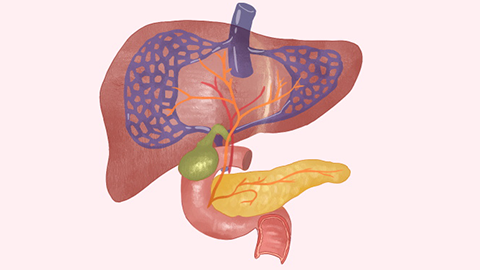
If liver enzyme levels (e.g., ALT and AST) remain normal, the individual is considered an inactive HBV carrier—particularly common among those infected perinatally or during early childhood. In such cases, prolonged viral exposure occurs before the immune system fully matures, allowing the virus and host to coexist without triggering noticeable symptoms. However, upon reaching adulthood, the immune system begins recognizing the virus as a threat and mounts an immune response against infected hepatocytes. This immune-mediated destruction of liver cells leads to elevated transaminase levels and symptoms resembling acute hepatitis.

Individuals with hepatitis B should make appropriate dietary adjustments: meals should be light and easily digestible, prepared primarily by steaming or boiling. Spicy, stimulating, fried, and high-fat foods should be avoided. Anyone experiencing symptoms suggestive of hepatitis B must seek prompt medical evaluation and treatment. We hope this article has been helpful. Wishing you good health and happiness!






