Is early-stage liver cirrhosis caused by hepatitis B severe?
Dec 12, 2025
Source: Cainiu Health

Dr. Gao Jun
Introduction
Early-stage hepatitis B-related cirrhosis is a serious condition. If not promptly intervened, it will progressively advance to decompensated cirrhosis or hepatocellular carcinoma, endangering life. At this stage, irreversible liver fibrosis has already occurred, necessitating immediate medical attention and standardized treatment. The severity of early-stage hepatitis B-related cirrhosis lies in the destruction of liver structure and impairment of liver function, driven by persistent viral replication and chronic inflammation.
Early-stage hepatitis B-related liver cirrhosis is a serious condition. If not promptly treated, it may progressively advance to decompensated cirrhosis or liver cancer, endangering life. At this stage, irreversible liver fibrosis has already occurred, so immediate medical attention and standardized treatment are essential.
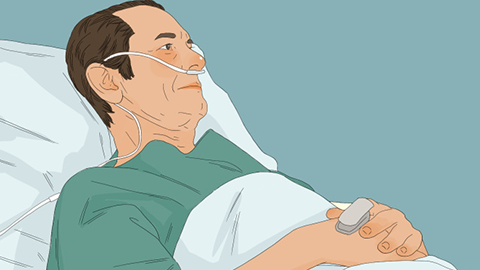
The severity of early-stage hepatitis B-related cirrhosis lies in structural damage and functional impairment of the liver. Persistent viral replication causes chronic inflammation, leading to widespread hepatic fibrosis and formation of pseudolobules. This results in reduced liver functions such as metabolism and detoxification, and symptoms like fatigue and abdominal distension may appear. The condition is also prone to progress into more severe stages.
For care, ensure adequate sleep and avoid physical overexertion. Diet should be light and easily digestible, with sufficient intake of high-quality protein and vitamins. Strict abstinence from alcohol is required, and hepatotoxic medications should be avoided. Maintaining emotional stability is important. Regular follow-up tests—including liver function tests and liver imaging—are necessary to monitor disease progression.