


Normal diastolic blood pressure range
May 23, 2022
Source: Cainiu Health

Dr. Li Man
Introduction
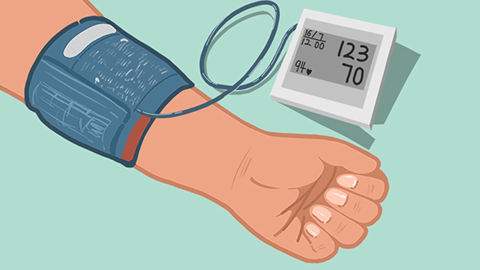
Diastolic blood pressure, also known as “low pressure,” normally ranges from 60 to 89 mmHg. This range refers to the standard values measured by physicians in a clinical setting under resting conditions; the corresponding normal range for systolic blood pressure (“high pressure”) is 90–140 mmHg. A diastolic blood pressure of ≥90 mmHg is considered elevated, while a value <60 mmHg is considered low. Clinically, elevated blood pressure is more commonly observed.
With improvements in living standards, an increasing number of people are experiencing high blood pressure. This condition is no longer confined to middle-aged and elderly individuals but is also becoming increasingly prevalent among younger populations. Not only does it cause harm to physical health, but it also adversely affects daily life and work performance. Understanding the condition is essential for effective prevention and treatment. So, what is the normal range for diastolic blood pressure?
Normal Range for Diastolic Blood Pressure
Diastolic blood pressure—also known as “low pressure”—normally ranges from 60 to 89 mmHg. This value represents the standard reference range measured by physicians in a clinical setting under resting conditions. The corresponding normal range for systolic (“high”) blood pressure is 90–140 mmHg. Diastolic pressure ≥90 mmHg indicates elevation, while diastolic pressure <60 mmHg indicates reduction. Clinically, elevated blood pressure is more commonly observed. Currently, there are approximately 245 million individuals with hypertension in China; either a diastolic pressure ≥90 mmHg or a systolic pressure ≥140 mmHg qualifies as hypertension.

Elevated blood pressure may occur in the following scenarios: 1. Primary (Essential) Hypertension: Elevated blood pressure without identifiable secondary causes; often associated with genetic factors. 2. Secondary Hypertension: Caused by underlying medical conditions, such as acute or chronic glomerulonephritis, pheochromocytoma, or primary aldosteronism. If a patient presents with elevated diastolic pressure, prompt medical evaluation at a hospital is recommended to identify the underlying cause and initiate appropriate treatment.
In daily life, avoid spicy and irritating foods, drink plenty of water to support metabolic function, and engage in moderate outdoor physical activity to enhance immunity. We hope this information proves helpful to you!






