


What is the normal range for diastolic blood pressure?
May 23, 2022
Source: Cainiu Health

Dr. Tian Hongbo
Introduction
The normal diastolic blood pressure range is typically 60–90 mmHg. If blood pressure readings are abnormal, prompt medical consultation is recommended. Diastolic pressure—also known as “low pressure”—refers to the pressure generated in the arteries when the heart is in diastole (relaxation phase), primarily due to arterial elastic recoil. A diastolic pressure of 80–89 mmHg is considered high-normal, indicating the need for close monitoring of blood pressure changes and proactive measures to prevent hypertension.
The normal diastolic blood pressure range is typically 60–90 mmHg. If blood pressure readings are abnormal, prompt medical consultation is recommended. Analysis follows:
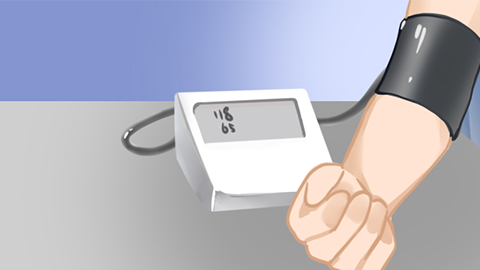
Diastolic blood pressure—also known as “low pressure”—refers to the pressure generated in the arteries during cardiac diastole, when the arterial walls recoil elastically. When measuring blood pressure, both systolic and diastolic pressures are routinely assessed to provide a comprehensive evaluation of cardiovascular status. The normal range for diastolic blood pressure is 60–90 mmHg.
A diastolic pressure between 80–89 mmHg is classified as “high-normal,” indicating the need for close monitoring of blood pressure trends and proactive measures to prevent hypertension. A diastolic pressure below 60 mmHg is considered hypotension and may result from various causes, including malnutrition, anemia, or postural changes. Diastolic pressure ≥90 mmHg is defined as hypertension.
Diastolic pressure is influenced by multiple factors. It tends to rise gradually with advancing age; likewise, unhealthy lifestyle habits—such as physical inactivity and excessive dietary salt intake—may also contribute to elevated diastolic pressure.
In daily life, adopting a healthy lifestyle is strongly recommended, including regular moderate exercise, balanced nutrition, smoking cessation, and alcohol moderation.






