Normal Pulmonary Artery Pressure Values
May 23, 2022
Source: Cainiu Health

Dr. Tian Hongbo
Introduction
Pulmonary arterial pressure (PAP) refers to the lateral (i.e., perpendicular) pressure exerted by blood within the pulmonary arteries during pulmonary circulation, typically measured at the distal tip of a floating catheter. Normal PAP is measured directly via catheterization: systolic pressure ranges from 10–30 mmHg, diastolic pressure from 5–10 mmHg, and mean pressure is approximately 10 mmHg. Pulmonary capillary pressure is normally about 7 mmHg.
The normal pulmonary arterial pressure is typically a systolic pressure of 10–30 mmHg and a diastolic pressure of 5–10 mmHg.
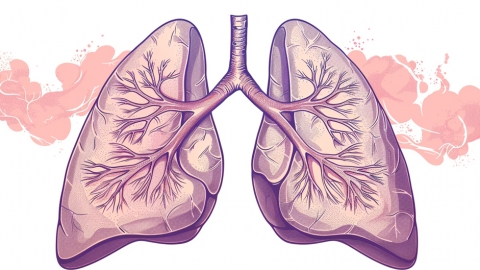
Pulmonary arterial pressure refers to the lateral (sideways) pressure exerted by blood within the pulmonary arteries during pulmonary circulation. It is usually measured using a floating catheter, with the distal tip positioned in the pulmonary artery. Direct measurement via catheterization yields normal values: systolic pressure of 10–30 mmHg, diastolic pressure of 5–10 mmHg, and a mean pressure of approximately 10 mmHg.
The pulmonary circulation constitutes a high-capacity, low-resistance system. The thickness of the muscular layer in pulmonary arterial walls varies, conferring significant distensibility and substantial vascular capacitance (i.e., volume reserve capacity). Total pulmonary vascular resistance is roughly equal between the arterial and venous segments; consequently, pulse pressure in the pulmonary arteries is similar to that in the pulmonary veins. Overall, pulmonary vascular resistance is extremely low—hence, pulmonary arterial pressure is substantially lower than systemic (aortic) pressure.
If pulmonary arterial hypertension (PAH) is diagnosed, prompt early treatment is essential regardless of functional class or severity (mild, moderate, or severe), to prevent disease progression. Patients should maintain a light, bland diet and avoid spicy or irritating foods such as garlic, spicy hotpot, and mustard. Adequate rest is also important; excessive physical exertion should be avoided to safeguard overall health.