


Normal respiratory rate range for adults
May 23, 2022
Source: Cainiu Health

Dr. Guo Xiheng
Introduction
The normal respiratory rate for adults is 12–20 breaths per minute. Bradypnea (slowed respiration) commonly occurs in conditions such as decreased metabolic activity, excessive anesthesia, shock, and markedly elevated intracranial pressure. Tachypnea (increased respiratory rate) is primarily observed in fever, pain, anemia, hyperthyroidism, heart failure, pneumonia, pulmonary embolism, pleurisy, bronchial asthma, and neurological or psychiatric disorders.
Breathing is an activity that everyone performs continuously, every moment of every day. When certain health issues arise, they may sometimes affect our respiratory rate. So, what is the normal respiratory rate for adults?
Normal Respiratory Rate in Adults
The normal respiratory rate for healthy adults ranges from 12 to 20 breaths per minute. Bradypnea (abnormally slow breathing) is commonly associated with conditions such as decreased metabolic activity, excessive anesthesia, shock, or significantly elevated intracranial pressure. Tachypnea (abnormally rapid breathing) is frequently observed in fever, pain, anemia, hyperthyroidism, heart failure, pneumonia, pulmonary embolism, pleurisy, bronchial asthma, and neurological or psychiatric disorders. Respiratory rate varies depending on age, sex, and physiological status. Typically, females breathe 1–2 breaths per minute faster than males—a difference that serves as one of the important clinical diagnostic clues for physicians.
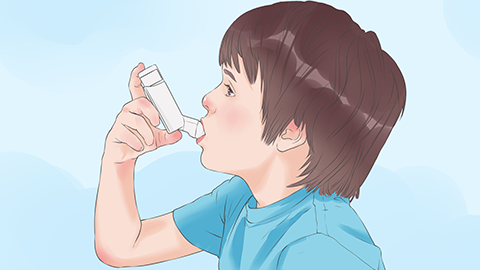
Respiratory depth increases alongside accelerated respiratory rate, as seen in pulmonary diseases such as respiratory muscle paralysis or conditions like ascites and obesity. Deep, rapid breathing occurs during vigorous physical exercise, when increased oxygen demand necessitates enhanced gas exchange in the lungs. Additionally, heightened emotional states or excessive tension often lead to tachypnea and hyperventilation. In such cases, arterial partial pressure of carbon dioxide (PaCO₂) decreases, resulting in respiratory alkalosis.
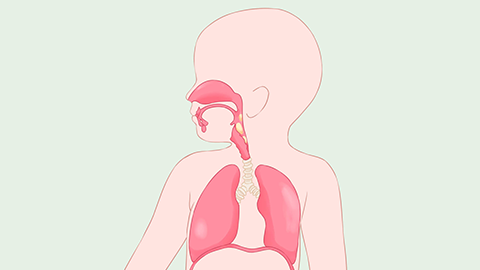
If you notice an abnormal respiratory rate, it is essential to seek medical evaluation promptly to identify the underlying cause. We hope this information has been helpful. Wishing you a joyful life and good health!






