


What is the normal range for triglycerides?
May 23, 2022
Source: Cainiu Health

Dr. Zhang Lu
Introduction
The normal reference range for triglycerides is approximately 0.45–1.70 mmol/L. Within this range, lipid metabolism is generally considered to be functioning normally, the risk of atherosclerosis and related conditions is relatively low, all organ systems operate properly, and the likelihood of adverse effects due to abnormal lipid metabolism is minimal. Triglyceride levels exceeding this normal range indicate dyslipidemia.
Under normal circumstances, the reference range for triglycerides is approximately 0.45–1.70 mmol/L. A detailed explanation follows:
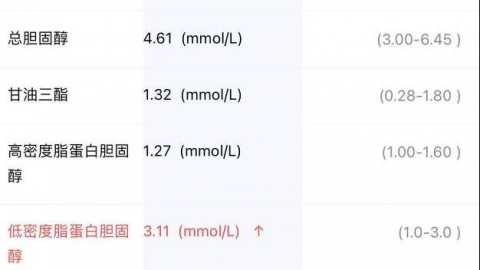
The normal reference range for triglycerides is approximately 0.45–1.70 mmol/L. Within this range, lipid metabolism is considered relatively normal; the risk of atherosclerosis and related complications is comparatively low; all major organ systems function properly; and the likelihood of adverse effects from dyslipidemia is minimal.
Elevated triglyceride levels are associated with an increased risk of multiple diseases, including coronary artery atherosclerotic heart disease, primary hyperlipidemia, atherosclerosis, obesity, diabetes mellitus, hypothyroidism, and nephrotic syndrome. Severely elevated triglyceride levels may precipitate serious conditions such as acute pancreatitis. Triglyceride concentrations are influenced by numerous factors—including diet, physical activity, age, sex, and genetic predisposition—thus requiring comprehensive evaluation when interpreting test results.
If triglyceride levels exceed the normal range—particularly if markedly elevated—this often indicates abnormal lipid metabolism. Further evaluation is warranted, along with appropriate interventions such as dietary modification, increased physical activity, or pharmacotherapy, as needed, to improve the condition.



