What Should I Do for Gout-Related Knee Pain?
May 24, 2022
Source: Cainiu Health

Dr. Pan Yongyuan
Introduction
After gout onset, the knee is typically the first area to experience significant pain. Effective relief of this pain involves cold therapy using an ice pack and engaging in appropriate physical activity to improve mood. Most importantly, daily dietary habits must be carefully monitored—only by doing so can recovery be genuinely promoted. Individuals with gout must place special emphasis on dietary health in their daily lives.
Diet-related gout causes considerable distress in daily life. Some gout patients experience knee pain—so what should be done when gout causes knee pain?
What to Do for Knee Pain Caused by Gout
Upon gout onset, the knee is often the first site to exhibit pronounced pain. To effectively alleviate this discomfort, apply cold compresses (e.g., ice packs) and engage in appropriate physical activity to improve mood. Most importantly, strict attention must be paid to daily dietary habits—only through proper dietary management can recovery be genuinely promoted.
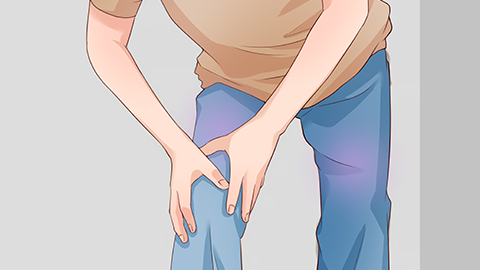
Gout flares also cause significant suffering to patients. During an acute episode, knee pain becomes markedly worse and may impair normal mobility. To effectively reduce knee pain, in addition to standard pharmacological treatment, complementary approaches should be adopted. Selecting appropriate forms of exercise is essential for individuals with gout; low-impact activities that gently mobilize the joints are recommended. Maintaining a positive mental state is equally important—even though gout-induced knee pain can be severe, emotional well-being significantly influences recovery. Ensure adequate rest: aim for at least six hours of sleep per night and maintain a healthy balance between work and relaxation. Pay close attention to daily diet: individuals with gout must prioritize dietary health. Consume potassium-rich foods and alkaline-forming foods regularly.
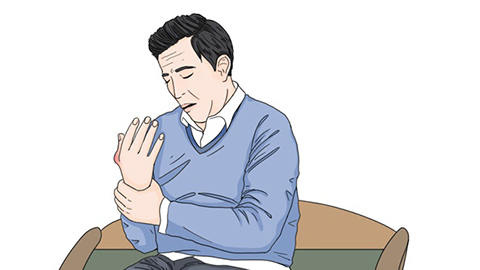
Additionally, if symptoms appear, seek prompt medical evaluation at a hospital and follow your physician’s guidance for appropriate management. We hope this information proves helpful!