


What is the normal range for glucose tolerance?
May 24, 2022
Source: Cainiu Health

Dr. Pan Yongyuan
Introduction
For the general population, the normal blood glucose range is 3.9–6.1 mmol/L. Two hours after eating, blood glucose should not exceed 7.8 mmol/L. However, for pregnant women, blood glucose levels measured one hour after a meal during an oral glucose tolerance test (OGTT) are elevated. The normal fasting blood glucose level is less than 5.1 mmol/L.
When evaluating patients suspected of having diabetes, physicians commonly perform a glucose tolerance test (GTT), which assesses the body’s ability to metabolize glucose. This test is especially important in diagnosing gestational diabetes. So, what are the normal reference values for glucose tolerance?
What Are the Normal Glucose Tolerance Values?
The oral glucose tolerance test (OGTT) is primarily used for diagnosing diabetes. However, the normal reference ranges differ between the general population and pregnant women. For non-pregnant adults, the normal fasting blood glucose level is 3.9–6.1 mmol/L. Two hours after a meal, blood glucose should not exceed 7.8 mmol/L. In pregnant women undergoing an OGTT, blood glucose levels rise more markedly postprandially. The diagnostic thresholds for gestational diabetes are as follows: fasting blood glucose < 5.1 mmol/L; 1-hour post-glucose load < 10.0 mmol/L; and 2-hour post-glucose load < 8.5 mmol/L.

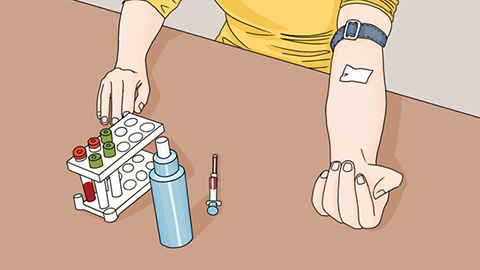
Procedure for the Glucose Tolerance Test: Prior to the test, alcohol, coffee, and tea must be avoided, and emotional stability should be maintained. For at least three days before testing, daily carbohydrate intake should be no less than 150 g, and regular physical activity should be maintained. An overnight fast of 10–14 hours is required. On the morning of the test, a fasting blood sample is drawn before 8:30 a.m., followed immediately by ingestion of 250–300 mL of water containing 75 g of glucose, which must be consumed within five minutes.
Typically, postprandial blood glucose levels rise initially and then gradually decline over time. Any abnormal pattern warrants prompt medical evaluation. We hope this information has been helpful! Wishing you good health and happiness!






