Can people with gout eat bamboo shoots?
May 24, 2022
Source: Cainiu Health

Dr. Liu Aihua
Introduction
Gout patients can consume bamboo shoots, as their purine content is not particularly high. Bamboo shoots are the edible young sprouts of bamboo before it matures and possess heat-clearing and dampness-resolving properties—making them suitable for gout patients. Fresh bamboo shoots—especially seasonal ones—are recommended. However, smoked or pickled bamboo shoots contain relatively high sodium levels; therefore, gout patients should limit their intake, since excessive salt consumption may adversely affect kidney function in individuals with gout.
In daily life, it is common to encounter individuals diagnosed with gout, many of whom pay close attention to their dietary habits. So, can people with gout eat bamboo shoots?
Can people with gout eat bamboo shoots?
Yes, people with gout may consume bamboo shoots, as their purine content is relatively low. Bamboo shoots are the tender, pre-mature growth of bamboo and possess properties that help clear heat and promote diuresis—making them suitable for gout patients. However, only fresh bamboo shoots—especially seasonal ones—should be consumed. Smoked or pickled bamboo shoots contain high levels of sodium and should therefore be limited, since excessive salt intake can impair kidney function in gout patients and hinder uric acid excretion.
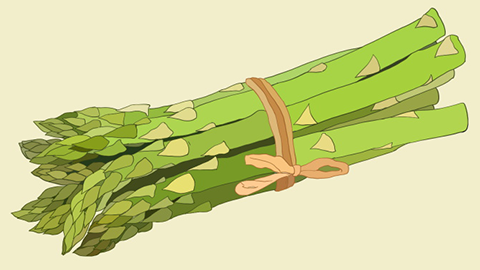
Thus, gout patients should opt for fresh bamboo shoots and avoid or minimize consumption of pickled varieties. Additionally, they must strictly avoid high-purine foods such as organ meats, shellfish and other seafood, beer, liquor, and carbonated beverages. In principle, a low-purine diet is essential. During periods of disease stability, low-purine foods may be consumed—but in moderation.
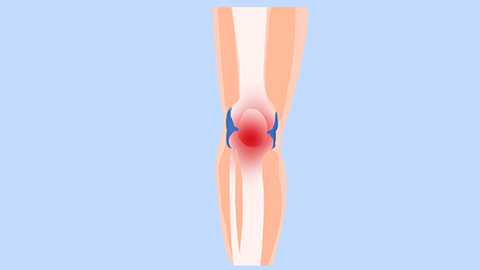
Managing gout effectively requires a comprehensive approach. Dietary restriction of high-purine foods is crucial. Alcohol—except possibly small amounts of red wine—is generally discouraged. Broths, especially meat-based broths, should also be avoided. These foods must remain under strict dietary control during active disease phases. Furthermore, acute symptom management may include nonsteroidal anti-inflammatory drugs (NSAIDs), selected according to each patient’s individual clinical profile. We hope this information proves helpful!