


How to Relieve Pain from Gout in the Feet
May 25, 2022
Source: Cainiu Health

Dr. Liu Aihua
Introduction
First, advise the patient to rest, minimize physical activity, and increase fluid intake—preferably alkaline water. Apply cold compresses to the painful area and use topical diclofenac sodium gel. For pronounced pain, oral anti-inflammatory and analgesic medications may be prescribed. The most commonly used anti-inflammatory analgesics are nonsteroidal anti-inflammatory drugs (NSAIDs), such as ibuprofen and diclofenac. If oral NSAIDs prove ineffective…
Gout is a common and highly prevalent clinical condition. Podagra—the term for gout affecting the foot—is a specific manifestation of gout that causes particularly severe discomfort during acute flares, necessitating prompt symptom relief. So, how can pain from podagra be alleviated?
How to Alleviate Pain from Podagra
First, patients should rest, minimize physical activity, and increase fluid intake—preferably alkaline water. Cold compresses should be applied to the affected area, and topical diclofenac sodium gel may be used. For pronounced pain, oral anti-inflammatory and analgesic medications are recommended. The most commonly prescribed anti-inflammatory analgesics are nonsteroidal anti-inflammatory drugs (NSAIDs), such as ibuprofen or diclofenac. If oral NSAIDs prove ineffective or cause significant adverse effects—particularly gastrointestinal symptoms—short-term use of corticosteroids or colchicine may be considered.
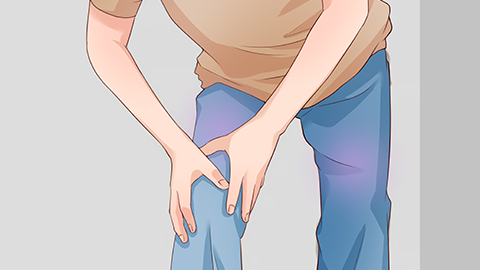
Gout is a group of metabolic disorders caused by chronically elevated serum uric acid levels. To prevent hyperuricemia, patients should consume low-purine foods. Chronically elevated uric acid levels may also adversely affect cardiovascular and cerebrovascular health, as well as glucose metabolism. Hyperuricemia is defined as serum uric acid levels exceeding 416 µmol/L in men and 357 µmol/L in women.
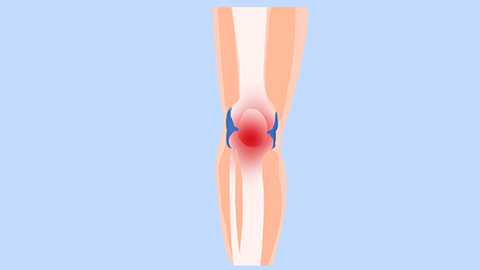
The most common clinical presentation of gout is recurrent acute or chronic gouty arthritis. The joints most frequently involved include the first metatarsophalangeal joint (big toe), dorsum of the foot, ankle, and knee—making foot pain a hallmark symptom among gout patients. We hope this information proves helpful!




