


Can pharyngitis cause coughing?
May 25, 2022
Source: Cainiu Health

Dr. Guo Xiheng
Introduction
Pharyngitis can cause coughing because the inflamed pharynx produces inflammatory secretions, leading to throat itching or a foreign-body sensation, which in turn triggers coughing. In patients whose pharyngitis is caused by allergic factors, throat itching and the sensation of a foreign body are more pronounced, resulting in an irritative cough. When such coughing occurs without obvious purulent secretions, it suggests a non-bacterial etiology.
Pharyngitis is a disease caused by bacterial infection. In daily life, most people have experienced pharyngitis at some point. It may also trigger other symptoms. So, can pharyngitis cause coughing?
Can pharyngitis cause coughing?
Yes, pharyngitis can cause coughing. In patients with pharyngitis, inflammatory secretions accumulate in the throat, leading to throat itching or a foreign-body sensation, which in turn triggers coughing. In cases of pharyngitis induced by allergic factors, throat itching and the sensation of a foreign body are often more pronounced, resulting in irritative coughing. When such coughing occurs—particularly if there is no obvious purulent secretion (i.e., the patient produces only small amounts of white, thin, or slightly viscous sputum, rather than yellow, purulent sputum)—symptomatic relief may be achieved using lozenges such as Watermelon Frost Lozenges or Silver-Honeysuckle Lozenges. Once the inflammation is adequately controlled, the cough typically improves.
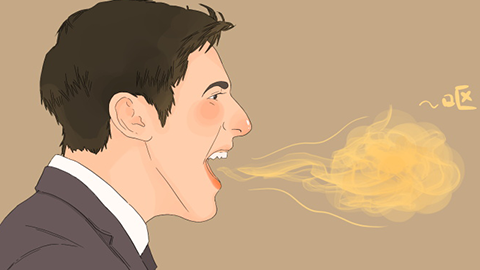
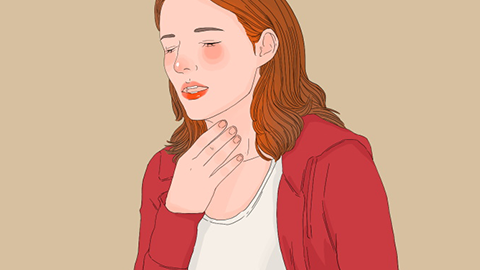
Pharyngitis commonly causes various associated clinical symptoms, including recurrent sore throat, a persistent sensation of a foreign body in the pharynx, throat itching, coughing, sputum production, dysphagia (a feeling of obstruction during swallowing), and even respiratory distress. Some patients may develop fever during the acute phase.
For diagnosis, laryngoscopy and routine blood tests are recommended to help assess disease severity. Most patients require pharmacological treatment. Currently, oral medications are commonly prescribed, and nebulization therapy may be used concurrently. During treatment, regular follow-up visits are necessary to monitor therapeutic response; the typical treatment course lasts approximately one week. Dietary adjustments are also essential: patients are advised to consume ample fruits and vegetables, avoid spicy or irritating foods, and abstain from smoking and alcohol consumption. We hope this information proves helpful to you!





