


What should I do if my ankle hurts severely due to gout?
May 26, 2022
Source: Cainiu Health

Dr. Pan Yongyuan
Introduction
Patients with gout experiencing severe ankle pain should rest adequately, elevate the affected limb, and reduce physical activity. Effective anti-inflammatory medication must be initiated promptly. Earlier administration yields better therapeutic outcomes; colchicine is preferred due to its rapid pain-relieving and anti-edema effects. However, colchicine has notable adverse effects, particularly gastrointestinal reactions such as abdominal pain and diarrhea.
In daily life, some individuals suffer from gout, experiencing severe pain in the ankle joint—significantly disrupting their daily activities and studies. So, what should be done when gout causes intense ankle pain?
How to Manage Severe Ankle Pain Caused by Gout
For gout patients experiencing severe ankle pain, it is essential to rest adequately, elevate the affected limb, and minimize physical activity. Prompt initiation of effective anti-inflammatory drug therapy is critical—the earlier treatment begins, the better the outcome. Colchicine is typically the first-line agent, offering rapid relief from pain and swelling. However, colchicine carries notable adverse effects, particularly gastrointestinal symptoms such as abdominal pain and diarrhea; therefore, its use must be carefully monitored. It may be combined with nonsteroidal anti-inflammatory drugs (NSAIDs) like ibuprofen to reduce the required colchicine dose and mitigate side effects. Alternatively, glucocorticoids may be used.
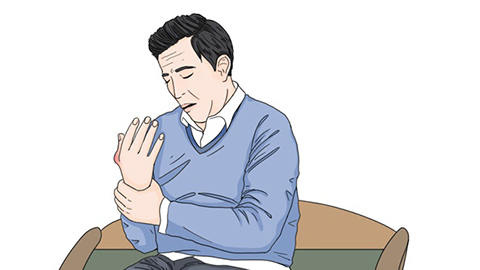
Additionally, intra-articular injection of glucocorticoids into the affected joint can provide rapid reduction of swelling and pain relief. Local cold compresses may also help alleviate symptoms. Patients should avoid emotional stress and anxiety, maintain a positive mindset, and actively cooperate with treatment. Importantly, with appropriate long-term management, gout can be controlled effectively enough to prevent interference with daily life and work performance.
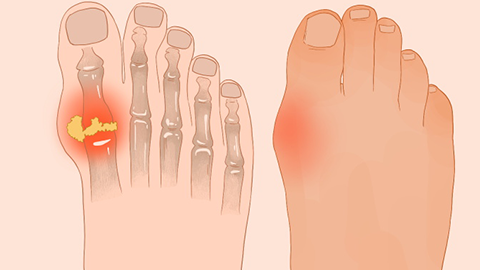
The above medications are for reference only; specific drug selection and dosing must be determined under the guidance of a qualified physician. Moreover, individuals experiencing gout symptoms should seek timely medical evaluation and follow evidence-based management strategies prescribed by their healthcare provider. We hope this information proves helpful!







