


Does heel pain indicate gout?
May 26, 2022
Source: Cainiu Health

Dr. Pan Yongyuan
Introduction
Heel pain is not necessarily caused by gout. It can be associated with various conditions, including peritendinitis of the Achilles tendon, calcaneal spurs, calcaneal fractures, and other foot injuries. Gout typically presents with pain in the toes, accompanied by symptoms such as fever, redness, and swelling. A series of relevant examinations—including measurement of serum uric acid levels—can be performed at a hospital. After ruling out gout, we recommend obtaining foot X-rays to identify the underlying cause and guide targeted treatment.
Heel pain, also known as “heel pain syndrome,” may result from cold exposure, sports injuries, overexertion, or chronic overuse. Some patients mistakenly attribute their heel pain to gout—or even believe that heel pain *is* gout itself. So, is heel pain actually caused by gout?
Is Heel Pain Caused by Gout?
Heel pain is not necessarily due to gout. It can be associated with various conditions, including peritendinitis of the Achilles tendon, calcaneal spurs, calcaneal fractures, and other foot injuries. Gout typically manifests as pain in the toes—often accompanied by fever, redness, and swelling. To clarify the diagnosis, patients should visit a hospital for relevant examinations, particularly serum uric acid testing. After ruling out gout, a foot X-ray is recommended to identify the underlying cause and guide targeted treatment. During the acute phase, walking should be minimized, and bed rest is advised. In the remission phase, moderate activity is encouraged; footwear—including socks—must fit properly, and female patients should avoid wearing high-heeled shoes.
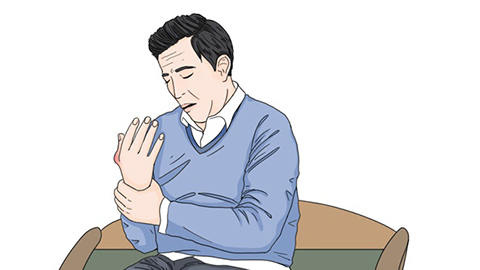
Dietary considerations for heel pain include consuming light, non-irritating foods and avoiding spicy or stimulating dishes. Additionally, adequate rest is essential—fatigue, intense physical activity, and excessive weight-bearing should all be avoided. Maintaining warmth—especially local warmth—and preventing colds are also important. Local heat application may be beneficial. Patients with access to complementary therapies may consider acupuncture, massage (tuina), infrared therapy, or ultrasound therapy under professional guidance.
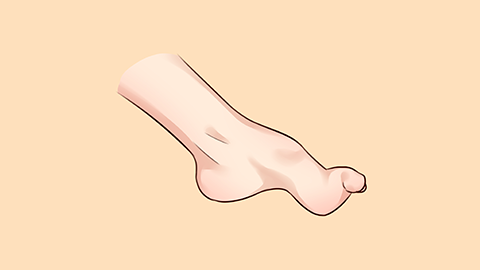
Moreover, individuals experiencing symptoms should seek timely medical evaluation and follow their physician’s recommendations for appropriate management. We hope this information has been helpful!




