


Can I Keep the Baby If I Have Abnormal Liver Function During Pregnancy?
May 26, 2022
Source: Cainiu Health

Dr. Jin Zhongkui
Introduction
Abnormal liver function during pregnancy can affect the fetus. The liver metabolizes both maternal and fetal metabolic byproducts and serves as a detoxifying organ, clearing toxins and hormones—such as estrogen—from the bloodstream. When estrogen levels rise significantly during pregnancy, the liver’s metabolic burden increases. In early pregnancy, severe nausea and vomiting (hyperemesis gravidarum) may further impair liver function.
The liver is a vital organ responsible for metabolism in the human body. Abnormal liver function can lead to various health issues. So, if a pregnant woman experiences abnormal liver function, can she still continue the pregnancy?
Can a pregnancy be continued when liver function is abnormal?
Abnormal liver function during pregnancy can adversely affect the fetus. The liver metabolizes not only the mother’s own metabolic byproducts but also those generated by the fetus. As an excretory organ, the liver plays a critical detoxifying role and helps clear hormones—such as estrogen—from the bloodstream. During pregnancy, elevated estrogen levels significantly increase the liver’s metabolic burden. In early pregnancy, severe nausea and vomiting (hyperemesis gravidarum) may further impair liver function. In severe cases during mid- to late pregnancy, fetal intrauterine distress—or even sudden adverse events—may occur. Therefore, any abnormal liver function detected during pregnancy warrants prompt medical evaluation to identify the underlying cause and initiate appropriate symptomatic treatment.
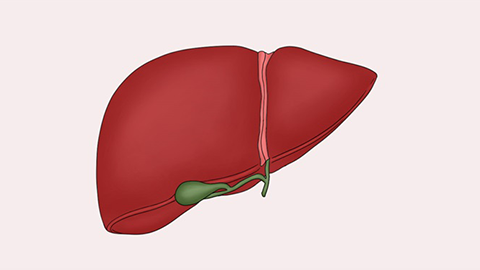
If liver dysfunction is mild and well-controlled with treatment, continuing the pregnancy is generally feasible. However, if liver abnormalities are pronounced, it is advisable to undergo treatment first and defer conception until liver function has improved. Otherwise, pregnancy may exacerbate hepatic injury, potentially leading to serious complications. Causes of abnormal liver function include chronic alcohol consumption, sleep deprivation, drug-induced liver injury, intrahepatic bile duct stones, chronic hepatitis, cirrhosis, and nonalcoholic fatty liver disease (NAFLD). Patients require targeted therapy—for instance, antiviral treatment is typically essential for hepatitis-related liver dysfunction, and hepatoprotective medications may be added to support liver function recovery when abnormalities are significant.
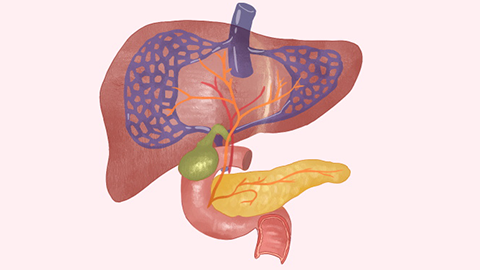
For patients with fatty liver disease, management should emphasize increased physical activity, reduced dietary fat intake, adequate rest during treatment, a light and balanced diet, strict abstinence from alcohol, avoidance of hepatotoxic medications, and regular monitoring of liver function tests. We hope this information proves helpful!






