What Causes Enlarged Nipples?
May 27, 2022
Source: Cainiu Health

Dr. Chen Zhe
Introduction
The size of the nipple is generally determined congenitally and is genetically influenced. During pregnancy, estrogen stimulation leads to areolar protrusion and the appearance of Montgomery’s tubercles (prominent sebaceous glands on the areola), while the nipple slightly enlarges in preparation for breastfeeding. During lactation, repeated sucking and pulling by the infant may cause further nipple enlargement. Another possible cause is obesity, which can lead to excessive fat accumulation in the breasts. Nipple size itself has minimal impact on overall health.
The breasts are a secondary sexual characteristic in females. The entire mammary gland’s external appearance comprises the breasts, areolae, and nipples. So, what causes enlarged nipples?
What Causes Enlarged Nipples?
Nipple size is generally determined congenitally and influenced by genetics. During pregnancy, elevated estrogen levels stimulate changes such as areolar protrusion and the appearance of Montgomery’s tubercles (small, raised bumps on the areola), while the nipples gradually enlarge in preparation for lactation. During breastfeeding, repeated suction and pulling by the infant may also cause temporary nipple enlargement. Another possible cause is obesity, which leads to excessive fat accumulation in the breast tissue. While nipple size itself typically has minimal impact on overall health, excessively small or inverted nipples during lactation may hinder proper latching by the infant, thereby impairing breastfeeding.

To maintain nipple health, women should practice regular care. Undergarments should be made of soft, breathable cotton and fit comfortably. Overly tight bras can compress breast tissue, potentially causing ductal obstruction, breast engorgement, and increasing the risk of mastitis. Women should also cultivate a healthy mindset and actively manage their emotions. However, many women today experience high stress levels; if unrelieved, chronic emotional strain may disrupt endocrine function, adversely affecting mammary gland health—and possibly influencing nipple size.
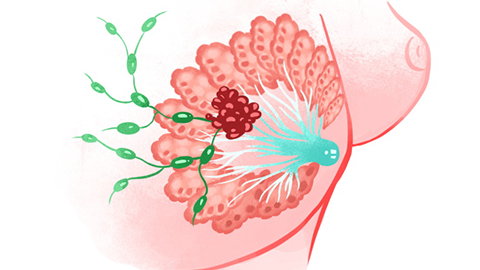
Abnormal breast enlargement may indicate underlying mammary disorders and warrants timely medical evaluation and treatment at a reputable hospital. Appropriate, symptom-based therapy is recommended. We hope this information has been helpful. Wishing you good health and happiness!