


Can people with gout eat chicken?
May 28, 2022
Source: Cainiu Health

Dr. Pan Yongyuan
Introduction
Gout patients can consume chicken, as it is a low-purine food. Chicken is also rich in protein and fat, and its consumption generally does not exacerbate gout. Most gout patients may eat chicken in moderation, though they should avoid preparing it with excessive salt. In contrast, foods high in purines—such as seafood, bone marrow, and animal offal—should be limited or avoided, as their high purine content may trigger gout flares.
Chicken is a commonly consumed meat, rich in nutritional value and pleasant in taste. However, not everyone can eat it—especially individuals with specific health conditions. So, can people with gout eat chicken?
Can people with gout eat chicken?
Yes, people with gout may consume chicken. Chicken is considered a low-purine food and contains abundant protein and fat, which generally do not exacerbate gout symptoms. Most gout patients can eat chicken in moderation—but should avoid overly salty preparations. In contrast, high-purine foods—including seafood, bone marrow, and organ meats (e.g., liver, kidneys)—should be strictly limited, as excessive purine intake may impair uric acid excretion by the kidneys and thereby worsen gout.

Although certain meats are unsuitable for gout patients, abstaining from all meat permanently is unnecessary. During acute gout flares, patients should temporarily avoid meat altogether; however, during remission, moderate meat consumption is acceptable. For example, beef helps replenish vital energy and blood, tonify the kidneys, and strengthen yang—making it beneficial for elderly individuals experiencing weakness, yang deficiency, or cold syndromes. Beef falls into the medium-purine category and may thus be consumed in moderation by gout patients.
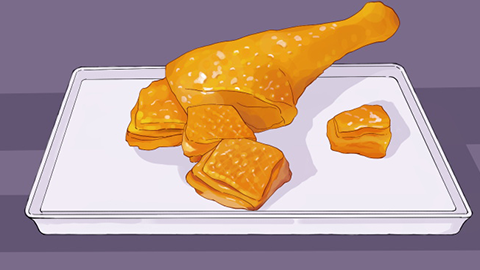
In daily life, gout patients may moderately consume chicken, duck, rabbit, and beef—foods that support symptom improvement and disease control. However, seafood, animal livers, and bone marrow are not recommended due to their high purine content, which increases the risk of gout flare-ups and disease progression. We hope this article has been helpful. Wishing you a joyful life and good health!





