Can gout be treated with ice application?
May 28, 2022
Source: Cainiu Health

Dr. Pan Yongyuan
Introduction
During an acute gout attack, applying ice packs can help alleviate localized symptoms. The most common site of gout involvement is the metatarsophalangeal joint of the big toe (first MTP joint). Attacks often occur in the early morning and present with marked redness, swelling, warmth, and pain. Some patients may also develop fever. Affected individuals may be unable to bear weight on the involved foot due to severe pain; pain typically peaks within two to three days and gradually subsides over approximately two weeks.
A medical physical cooling method involves using bottled ice water or ice packs (preferably wrapped in a towel) to reduce local temperature—especially during acute episodes, applying cold therapy over major blood vessels.
Can cold therapy be used for gout?
Yes, cold therapy (ice application) can be used during an acute gout attack to alleviate localized symptoms. The most commonly affected sites include the big toe, the outer ankle, and finger joints. Acute gout typically manifests in the morning with pronounced redness, swelling, warmth, and severe pain. Some patients may also develop fever and be unable to bear weight on the affected foot. Pain intensifies markedly, peaking within two to three days and gradually subsiding over approximately two weeks. During the acute phase, cold therapy is recommended; however, prompt medical evaluation and treatment at a hospital are essential. Patients should also modify their dietary habits and initiate uric acid–lowering medications (e.g., xanthine oxidase inhibitors). Colchicine may be prescribed for symptomatic relief during the acute phase.
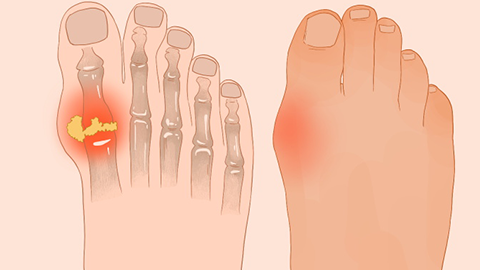
The primary impact of gout is the intense, persistent pain experienced during flares, which can severely impair daily functioning. Repeated deposition of uric acid crystals can damage joint cartilage, muscles, ligaments, and, in severe cases, even erode bone tissue.
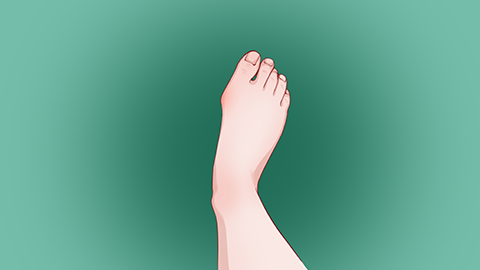
Chronically elevated serum uric acid levels place excessive metabolic demand on the kidneys, potentially causing interstitial renal injury and leading to complications such as kidney stones, glomerulonephritis, and uremia. Additionally, other organs—including the heart, blood vessels, and liver—may sustain varying degrees of damage. We hope this information proves helpful to you!