


How many days does it typically take for gout-related swelling to subside?
May 28, 2022
Source: Cainiu Health

Dr. Pan Yongyuan
Introduction
Gout-related swelling typically subsides within 3–7 days. Gout is a group of metabolic disorders caused by chronically elevated serum uric acid levels. Common clinical manifestations include acute or chronic gouty arthritis and gouty nephropathy. Moreover, persistently high serum uric acid levels adversely affect cardiovascular and cerebrovascular health as well as glucose metabolism. Acute or chronic gouty arthritis is the most common clinical manifestation of gout.
During a gout attack, patients often experience such excruciating pain that they feel life is no longer worth living—causing significant distress to both patients and their families. So, how many days does it typically take for gout-related swelling to subside?
How long does it usually take for gout-related swelling to subside?
Swelling associated with gout generally resolves within 3–7 days. Gout is a group of metabolic disorders caused by chronically elevated serum uric acid levels. Common clinical manifestations include acute or chronic gouty arthritis and gout-related nephropathy. Moreover, persistently high serum uric acid levels adversely affect cardiovascular and cerebrovascular health as well as glucose metabolism. Acute or chronic gouty arthritis is the most frequent clinical presentation of gout. Acute gouty arthritis typically manifests as sudden-onset redness, swelling, warmth, and severe pain—most commonly affecting large joints of the lower extremities. Without treatment, these symptoms usually begin to improve significantly within 5–7 days. With regular anti-inflammatory, anti-edematous, and analgesic therapy, however, redness, swelling, warmth, and pain should markedly subside within 3–5 days.
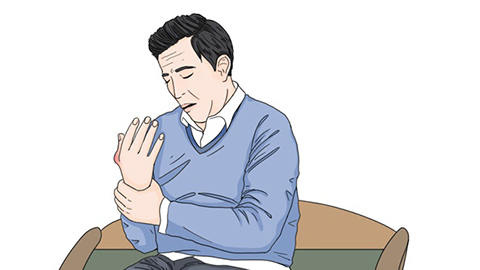
Medications are commonly used to relieve pain during gout flares. When experiencing an acute gout attack, patients suffer intense, widespread pain; however, pharmacologic intervention can effectively alleviate discomfort. First-line options include colchicine and nonsteroidal anti-inflammatory drugs (NSAIDs). Due to its relatively high toxicity, colchicine should be used cautiously; instead, NSAIDs such as indomethacin or diclofenac sodium are frequently preferred. In severe cases, corticosteroid therapy may also be considered.

For acute gout attacks, cold compresses and bloodletting therapy may be employed. Cold compresses help reduce pain sensitivity, improve microcirculation, and alleviate tissue exudation and swelling. Bloodletting therapy is a traditional Chinese medicine (TCM) treatment modality—but must only be performed by qualified healthcare professionals. Self-administration at home is strictly discouraged. We hope this article has been helpful. Wishing you a joyful life and good health!




