


Dietary Do’s and Don’ts After Lung Cancer Surgery
May 30, 2022
Source: Cainiu Health

Dr. Guo Xiheng
Introduction
Postoperative lung cancer patients do not have specific dietary restrictions. Patients should quit smoking and avoid alcohol; however, minimal consumption of low-alcohol beverages has negligible impact. Spicy and greasy foods should be avoided to prevent adverse effects on gastrointestinal function and lipid profiles. Patients should consume more high-quality protein sources, such as chicken, duck, and beef. Vitamin supplementation is important; therefore, patients should eat plenty of fresh vegetables and fruits.
Due to environmental factors, lung cancer remains a highly prevalent malignant disease in China. After lung cancer surgery, patients should undergo appropriate postoperative care and rehabilitation to prevent cancer cell metastasis. So, what dietary recommendations and restrictions apply following lung cancer surgery?
Dietary Recommendations and Restrictions After Lung Cancer Surgery
Generally, there are no specific dietary restrictions for lung cancer patients after surgery. However, patients should avoid spicy, fried, and greasy foods—such as fatty meats and chili peppers—and should abstain from alcohol consumption, primarily to protect gastrointestinal function. Aside from these considerations, there are no strict dietary restrictions or requirements for calorie restriction. Instead, patients should focus on consuming high-protein, high-calorie foods—including eggs, fish, shrimp, and lean meats—as well as plenty of fresh fruits and vegetables, such as black fungus (wood ear) and Chinese yam. At this stage, rest is paramount. Additionally, patients must attend scheduled follow-up visits at the hospital.
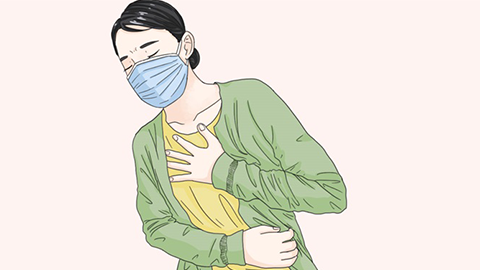
The etiology of lung cancer is highly complex, and no definitive cause has yet been established. However, several well-recognized risk factors have been identified. First is environmental exposure—especially tobacco smoking, whether active or passive (secondhand smoke), which significantly increases lung cancer risk. Other environmental contributors include cooking oil fumes generated during home cooking and automobile exhaust emissions—both forms of air pollution that are important, often underestimated, contributors to lung cancer development. Second is genetic predisposition.

To help inhibit cancer cell formation, minimize or avoid consumption of spicy and fried foods. Regular intake of garlic is beneficial, as it contains natural anticancer compounds. Avoid smoking and alcohol consumption, and cultivate healthy eating habits. Undergo routine health check-ups at reputable medical institutions. Only through timely diagnosis and treatment can longevity and quality of life be optimized. We hope this information proves helpful to you!




