


Why Do People Snore While Sleeping at Night?
May 30, 2022
Source: Cainiu Health

Dr. Guo Xiheng
Introduction
Systemic diseases are a very important cause of snoring during sleep. For instance, acromegaly leads to tongue enlargement, and endocrine imbalances occurring after menopause in women can both contribute to snoring during sleep. Sinusitis accounts for approximately 20% of snoring cases, with primary symptoms including headache and nasal congestion. Tonsillar hypertrophy narrows the pharyngeal airway, thereby increasing the likelihood of snoring during sleep.
Snoring primarily affects middle-aged and elderly individuals, though it can also occur in younger people. Given our demanding daily work schedules, many people naturally feel exhausted upon returning home at night—and some inevitably snore while resting or sleeping, thereby disturbing others’ normal rest. So, what are the underlying causes of snoring during sleep?
Why do we snore while sleeping?
Systemic diseases constitute a major contributing factor to sleep-related snoring. For instance, acromegaly causes tongue enlargement, while hormonal imbalances following menopause in women may also predispose individuals to snoring. Sinusitis accounts for approximately 20% of snoring cases, with primary symptoms including headache and nasal congestion. Enlarged tonsils narrow the pharyngeal airway, thereby increasing the likelihood of snoring during sleep.
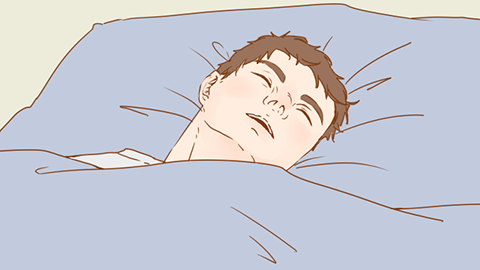
Additionally, obesity leads to excessive fat deposition—particularly around the upper airway—which narrows the airway and promotes snoring. Nasal trauma or injury can likewise contribute to snoring. Another significant cause is genetic predisposition: if a person’s immediate family members snore, their own risk of snoring is more than three times higher.
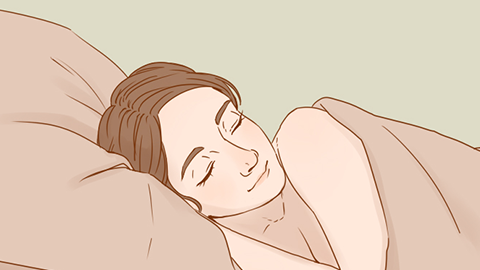
In daily life, selecting an appropriate pillow can help maintain optimal airway alignment and reduce snoring. Placing a ball on the back while sleeping encourages side-lying positioning, which helps prevent supine-dependent snoring. We hope this article proves helpful to you.







