What Causes Peeling, Blisters, and Itching on the Feet?
Jun 01, 2022
Source: Cainiu Health

Dr. Liu Wan
Introduction
First, two possibilities should be considered:
1. Tinea pedis (commonly known as “athlete’s foot” or “foot odor” among the general public), a fungal infection. Treatment requires antifungal medications—especially in cases presenting with macerated vesicles, skin maceration, scaling, and pruritus.
2. Dyshidrotic eczema—a subtype of eczema. Differentiation between these two conditions is essential, as dyshidrotic eczema is typically treated with topical corticosteroids.
Many people experience peeling, blistering, and itching of the feet—symptoms that significantly disrupt daily life. Understanding the underlying causes of these conditions is essential for effective prevention. So, what causes peeling, blistering, and itching of the feet?
What Causes Peeling, Blistering, and Itching of the Feet?
Peeling, blistering, and itching of the feet most commonly stem from one of two conditions. First, tinea pedis (commonly known as “athlete’s foot”)—a fungal infection—should be considered. This condition typically presents with macerated (soaked), vesicular (blister-like) lesions, scaling, and intense pruritus (itching); treatment requires topical or systemic antifungal agents. Second, dyshidrotic eczema (a subtype of eczema) may be responsible. Accurate differentiation between these two disorders is critical, as dyshidrotic eczema generally requires treatment with topical corticosteroids.
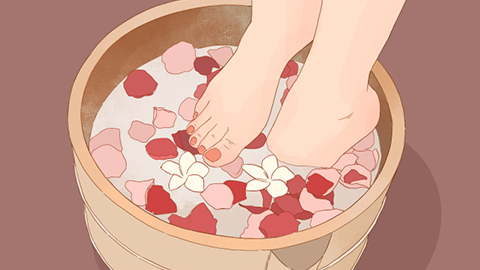
Dyshidrotic eczema: Avoid washing hands or feet with extremely cold or hot water, and minimize contact with alkaline irritants such as soap and detergents. Topical corticosteroid ointments (e.g., artemisinin cream or desonide cream) may be applied externally; regular use of vitamin E–containing emollients helps protect and moisturize the skin of the feet. Tinea pedis: Caused by fungal infection of the foot skin. Treatment includes oral antifungals such as terbinafine hydrochloride or itraconazole, along with topical antifungals like ketoconazole cream or clotrimazole cream. Socks should be washed daily and disinfected by soaking in hot water.
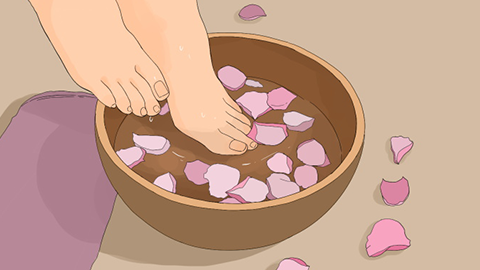
Patients’ footwear and socks should be laundered separately to prevent transmission to others. Additionally, avoid consuming spicy or irritating foods, which may exacerbate symptoms. We hope this information proves helpful!