


What should I do for a burn to prevent blistering?
Nov 25, 2025
Source: Cainiu Health

Dr. Liu Wenmin
Introduction
First aid measures to help prevent blistering after a burn generally include immediately rinsing the area with cool water, soaking the injury in cold water, avoiding rubbing or pressing the affected area, applying specialized burn ointment, and covering the area with sterile gauze for protection. After a burn, promptly place the injured area under running cool water for 15–20 minutes. Cold water quickly removes heat, lowers skin temperature, and reduces damage to deeper tissues caused by thermal energy.
Methods to help prevent blistering after a burn generally include immediately rinsing with cold water, soaking the injured area in cold water, avoiding rubbing or pressing the injury, applying specialized burn ointment, and covering the area with sterile gauze for protection. Detailed explanations are as follows:
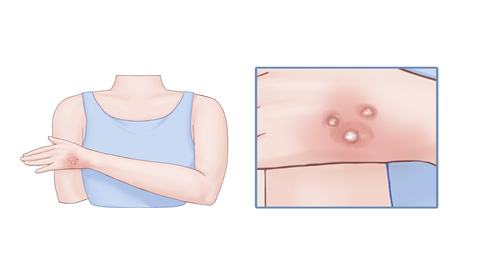
1. Immediate cold water rinsing: Quickly place the burned area under gently flowing cold water for 15–20 minutes. Cold water rapidly removes heat and lowers skin temperature, reducing thermal damage to deeper tissues and thereby decreasing the likelihood of blister formation. Use a gentle water flow to avoid additional trauma to the injured site.
2. Soaking the injured area in cold water: If the burn covers a small area, continue soaking it in cold water for an additional 10–15 minutes after rinsing. Maintain the water temperature at 10–15°C, avoiding ice-cold water to prevent frostbite. Continuous cooling further reduces thermal irritation and minimizes fluid leakage from damaged tissues.
3. Avoid rubbing or pressing the injured area: The skin becomes fragile after a burn. Do not rub, scratch, or squeeze the affected area—even if there is mild swelling—as this may compromise the integrity of the skin surface and increase the risk of blistering.
4. Apply specialized burn ointment: After cold water treatment, apply a thin layer of specialized burn ointment to the affected area. The ointment forms a protective barrier that reduces external irritation, soothes the skin, and supports tissue repair, helping to prevent blistering caused by dryness or irritation.
5. Cover with sterile gauze for protection: After applying the ointment, gently cover the area with sterile gauze. Ensure the dressing is not too tight and allows airflow. The gauze protects against dust and bacteria, prevents friction or contamination, and reduces the risks of blistering and infection. Change the dressing once daily.
If blisters develop, pain worsens, or the skin breaks open, discontinue self-treatment and seek medical attention immediately. Do not apply toothpaste, soy sauce, or other home remedies to the burn, as these may irritate the skin or interfere with proper treatment.






