


What should I do if I have diarrhea and pain around the anus?
Jun 01, 2022
Source: Cainiu Health

Dr. Zhao Haiming
Introduction
Rinsing the anal area with clean water after each bowel movement typically helps effectively reduce irritation of the perianal skin caused by stool. Medications such as tannic acid and commonly used infant diaper rash ointments can be applied to protect the perianal skin. These agents effectively shield the perianal skin from damage by irritants present in stool. Some patients with hemorrhoids or anal fissures may experience anal pain, which can be treated with suppositories.
Diarrhea may occur if one consumes unhygienic food or overeats. Diarrhea significantly impacts overall health, and frequent episodes can lead to anal pain. So, what should be done when diarrhea causes anal discomfort?
Management of Anal Pain Associated with Diarrhea
After each bowel movement, gently cleanse the anal area with warm water to minimize irritation caused by stool contact with perianal skin. Topical agents such as tannic acid ointment or commonly used infant diaper rash creams may be applied to protect the perianal skin from irritants in stool. Some patients with hemorrhoids or anal fissures may experience anal pain; in such cases, suppositories can be effective. Commonly prescribed suppositories include hemorrhoid suppositories and Taining suppositories, which help reduce local inflammation and treat hemorrhoids or anal fissures. For pronounced anal pain, topical lidocaine gel may be used for localized pain relief.

Anal pain during diarrhea is often associated with anal fissures. Anal fissures are a common cause of painful defecation because, in the presence of an existing fissure, sphincter contraction during bowel movements further tears the already compromised tissue, resulting in pain. Frequent diarrhea repeatedly irritates the perianal musculature, exacerbating pain, deepening the fissure, and prolonging discomfort.
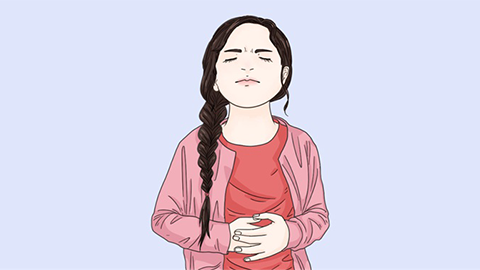
Patients may take antidiarrheal medications to control diarrhea and pay special attention to dietary habits—avoiding greasy foods, increasing fluid intake, and consuming more vegetables and fruits. We hope this information proves helpful.





