


What should I do about recurrent oral ulcers?
Jun 07, 2022
Source: Cainiu Health

Dr. Zhang Lei
Introduction
For individuals who frequently experience oral ulcers, analgesics—such as lidocaine gel or topical analgesic sprays—should be applied at the onset of an episode. If inflammation is present, anti-inflammatory medications (available as liquids or orally administered tablets) may be used for anti-inflammatory treatment. Topical agents such as watermelon frost cream can also be employed to promote healing. Recurrent oral ulcers may indicate compromised immunity; patients with low immune function are particularly susceptible to pathogen invasion.
Also known as aphthous ulcers, these lesions are commonly encountered in clinical nursing. They are typically painful, with a distinct local burning sensation. In severe cases, they may interfere with eating and speaking. So, what should be done about recurrent oral ulcers?
Management of Recurrent Oral Ulcers
For individuals who frequently experience oral ulcers, analgesics—such as lidocaine gel or topical anesthetic sprays—should be applied at the onset of an episode to relieve pain. If inflammation is present, anti-inflammatory agents (e.g., chlorhexidine) in liquid form or as oral tablets may be prescribed for anti-inflammatory treatment. Topical medications such as watermelon frost ointment can also be used to promote ulcer healing.
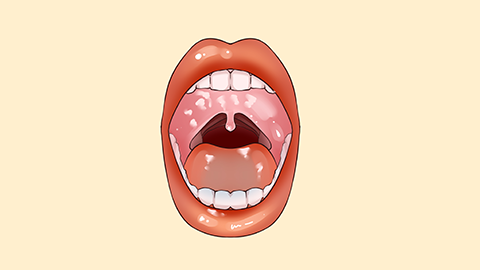
Recurrent oral ulcers may indicate compromised immunity. Patients with weakened immune function are more susceptible to pathogenic invasion. Additionally, depletion of immunoglobulins and disruption of the oral mucosal immune balance may contribute to ulcer development. Immune-modulating drugs that enhance cellular immunity may therefore be considered.

Nutritional deficiencies may also play a role. Gastrointestinal disorders—or suboptimal dietary habits in daily life—can lead to insufficient intake of essential nutrients such as vitamin B complex, iron, zinc, and folic acid, thereby predisposing individuals to recurrent oral ulcers. Underlying gastrointestinal conditions should be actively treated. Individuals with selective eating habits should strive to correct unhealthy lifestyle patterns, increase consumption of fruits and vegetables, and—under medical supervision—supplement any identified nutritional deficiencies. We hope this information proves helpful!




