What should I do if my lower abdomen hurts after holding urine for too long?
Jun 07, 2022
Source: Cainiu Health

Dr. Zhao Haiming
Introduction
Prolonged urinary retention leading to lower abdominal pain can be treated with quinolone- or cephalosporin-class antibiotics. Pain in the lower abdomen following prolonged urination may occur. If this is an isolated, occasional event and the pain resolves spontaneously after urination, no treatment is required. However, if the patient experiences recurrent abdominal pain, it may indicate cystitis or ureteritis, often accompanied by symptoms such as urinary frequency and urgency. In such cases, treatment with quinolone- or cephalosporin-class antibiotics is appropriate.
In daily life, some individuals may habitually hold their urine when it is inconvenient to use the restroom. However, prolonged urine retention can lead to lower abdominal pain in certain people. So, what should one do if lower abdominal pain occurs after holding urine for an extended period?
What to Do When Lower Abdominal Pain Occurs After Prolonged Urine Retention
Lower abdominal pain following prolonged urine retention may be treated with quinolone- or cephalosporin-class antibiotics. Pain in the lower abdomen occurring after prolonged urination may indicate an underlying issue. If the symptom is occasional and resolves spontaneously once urine is voided, no specific treatment is required. However, recurrent abdominal pain may suggest conditions such as cystitis or ureteritis, often accompanied by symptoms like urinary frequency and urgency. In such cases, quinolone- or cephalosporin-class antibiotics may be prescribed.
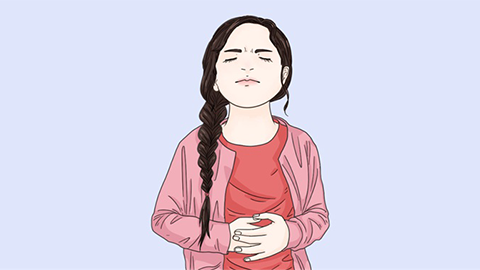
If abdominal pain occurs during urination, prompt voiding is essential—do not delay urination further. Additionally, increasing urinary frequency may help prevent pain before urination. A urinalysis is recommended to assess for signs of inflammation or hematuria. If inflammation or bleeding is detected, anti-inflammatory and/or hemostatic therapy may be warranted. Note: Rest remains the most effective means of recovery from various discomforts. Persistent physical tension, overwork, or fatigue significantly impede symptom resolution.
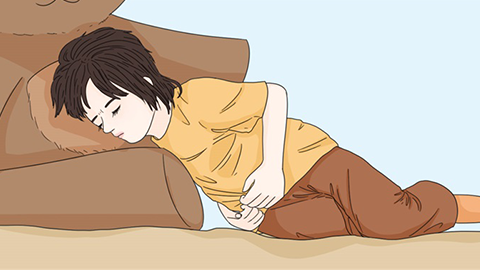
Frequent urine retention facilitates bacterial colonization within the urinary tract, predisposing individuals to urinary tract infections (UTIs) and cystitis. Concurrently, avoiding spicy foods—including chili peppers—and other irritants helps reduce urinary tract congestion and lowers the risk of UTIs. We hope this information proves helpful!