


What should I do if I experience lower abdominal pain after holding in urine?
Jun 07, 2022
Source: Cainiu Health

Dr. Li Mingchuan
Introduction
Urinary retention-induced lower abdominal pain can be treated with oral medications. In patients with chronic cystitis, holding urine causes bladder mucosal expansion, leading to mucosal erosion and lower abdominal pain. Cystitis results in increased white blood cells and bacterial load in the urine; routine urinalysis and effective antibiotic therapy can significantly alleviate lower abdominal pain following urinary retention.
Today’s fast-paced lifestyle has increased both work-related and daily life stress, while also exposing people to more temptations. Many individuals—either to meet work deadlines or due to excessive gaming—frequently hold in their urine, refusing to urinate unless experiencing severe pain. So, what should one do if lower abdominal pain occurs after holding urine?
What to Do When Experiencing Lower Abdominal Pain After Holding Urine
Lower abdominal pain following urinary retention can be managed with oral medications. In patients with chronic cystitis, holding urine causes bladder mucosal distension, leading to mucosal erosion and lower abdominal pain. Cystitis results in elevated white blood cells and bacterial counts in the urine; routine urinalysis combined with effective antibiotic therapy typically leads to marked improvement of post-retention lower abdominal pain. During treatment, patients should drink ample fluids to promote diuresis, thereby shortening the duration of therapy. Additionally, alcohol consumption and sexual activity should be avoided, and undergarments should be disinfected.
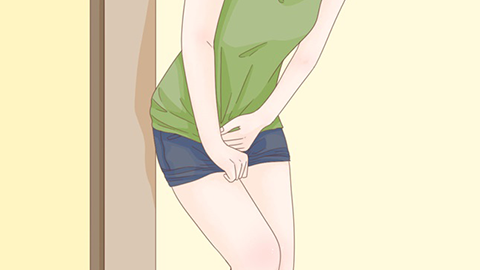
It is advisable to avoid holding urine whenever possible—especially for prolonged periods—as this increases the risk of developing cystitis. When urine remains stored in the bladder for extended durations, it fails to flush away bacteria colonizing the urethra, thereby facilitating bacterial growth and proliferation and potentially triggering cystitis. Regular high fluid intake helps increase urine output, dilute stone-forming substances in the urine, reduce the incidence of urolithiasis, and prevent bladder injury. Moreover, adequate hydration aids in expelling small urinary tract stones naturally and supports overall metabolic health.
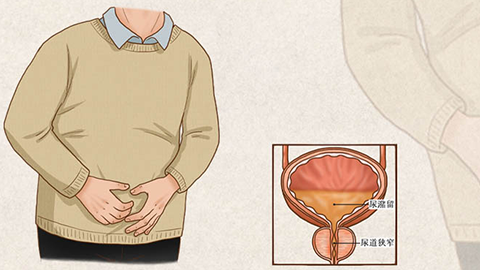
If lower abdominal pain following urinary retention does not subside within a short time, prompt medical evaluation and treatment are recommended. We hope this information proves helpful to you.




