


What are the treatment options for pelvic inflammatory disease (PID)?
Jun 08, 2022
Source: Cainiu Health

Dr. Chen Zhe
Introduction
The treatment of pelvic inflammatory disease (PID) includes the following approaches:
1. Antibiotics are the primary treatment for acute PID. Typically, a broad-spectrum antibiotic is combined with an anti-anaerobic agent. Administration routes include intravenous infusion, intramuscular injection, or oral administration. Treatment should be completed according to the prescribed course, as directed by a physician.
2. Surgical intervention is primarily indicated for patients with PID complicated by pelvic masses—such as hydrosalpinx, tubo-ovarian abscesses, or recurrent inflammation.
Pelvic inflammatory disease (PID) is a common gynecological condition affecting many women. So, what are the treatment options for PID?
What Are the Treatment Options for Pelvic Inflammatory Disease?
The treatment approaches for PID include the following:
1. Antibiotics constitute the primary treatment for acute PID. Typically, broad-spectrum antibiotics are combined with anti-anaerobic agents. Administration routes include intravenous infusion, intramuscular injection, or oral administration. It is recommended to follow the physician’s instructions and complete the full prescribed course of treatment.
2. Surgical intervention is indicated primarily for patients with PID complicated by pelvic masses—such as hydrosalpinx, tubo-ovarian cysts, or recurrent inflammation—and is generally advised in such cases.
3. Physical therapy can enhance the efficacy of pharmacologic treatment. Common modalities include shortwave diathermy, ultrashortwave diathermy, and iontophoresis.
4. Traditional Chinese medicine (TCM) treatments for PID include warm external application of herbal poultices, herbal fumigation, and herbal enemas.

PID is classified into acute and chronic forms, which differ in clinical presentation and severity. Typical symptoms of acute PID include fever, tachycardia, lower abdominal muscle rigidity, tenderness, and rebound tenderness. Vaginal discharge is typically purulent and profuse; the vaginal fornix exhibits marked tenderness; the uterus and bilateral adnexa show tenderness and rebound tenderness; and unilateral or bilateral adnexal thickening may be present.
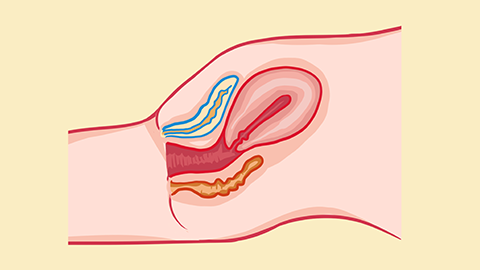
When acute PID persists or recurs chronically, it evolves into chronic PID, whose hallmark manifestations include a sensation of heaviness or dull pain in the lower abdomen and lumbosacral region, sometimes accompanied by a feeling of pressure or discomfort in the anorectal area—often attributable to pelvic venous congestion. Systemic symptoms in chronic PID are usually mild but may include low-grade fever, fatigue, and, with prolonged disease duration, neuropsychiatric symptoms such as neurasthenia. We hope this information has been helpful. Wishing you good health and happiness!





