


How is Pelvic Inflammatory Disease (PID) contracted?
Feb 24, 2025
Source: Cainiu Health

Dr. Zhang Lu
Introduction
Pelvic inflammatory disease (PID) may be caused by poor personal hygiene, improper sexual practices, cervicitis, adnexitis, postoperative infections, and other factors. It is recommended to maintain a healthy lifestyle with regular作息 (作息 should be "作息" in Chinese, but in English translation, it could be replaced with "routine" or "daily schedule"), ensure adequate sleep, improve dietary habits, regulate physical condition, and maintain overall health. Treatment may include medications such as Amoxicillin capsules, Cefradine capsules, etc.
Pelvic inflammatory disease (PID) may be triggered by poor personal hygiene, improper sexual practices, cervicitis, adnexitis, or postoperative infections. If any abnormalities occur, timely medical attention is recommended. Detailed analysis is as follows:
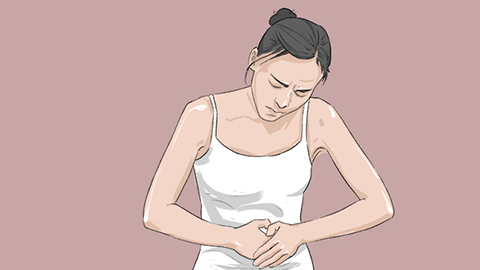
1. Poor personal hygiene: Inadequate personal hygiene, such as using unclean sanitary products during menstruation or irregular cleaning habits, can provide an environment for bacterial growth, leading to upward infection into the pelvic cavity and resulting in pelvic inflammatory disease. Improving personal hygiene habits, using qualified and clean sanitary products, and undergoing regular gynecological examinations can help prevent infection.
2. Improper sexual activity: Frequent sexual activity, multiple sexual partners, and failure to maintain cleanliness before and after intercourse can increase the risk of bacteria entering the pelvic cavity, potentially causing pelvic inflammatory disease. It is recommended to maintain a reasonable frequency of sexual activity, practice proper hygiene before and after intercourse, and consider using protective measures to reduce the risk of infection.
4. Cervicitis: Cervicitis is an inflammation of the cervix usually caused by pathogens such as bacteria, viruses, or mycoplasma. The inflammation may spread to the pelvic cavity, leading to pelvic inflammatory disease, accompanied by symptoms such as cervical pain and contact bleeding. As directed by a physician, medications such as Azithromycin Capsules, Jingangteng Capsules, and Minocycline Hydrochloride Capsules may be used to alleviate symptoms, eliminate pathogens, and control inflammation.
5. Adnexitis: Adnexitis refers to inflammation of the fallopian tubes and ovaries, usually caused by infection. The inflammation may spread throughout the pelvic cavity, causing pelvic inflammatory disease, which can lead to lower abdominal pain, fever, increased vaginal discharge, and other symptoms. As directed by a physician, medications such as Jingangteng Capsules, Fule Tablets, and Cefotaxime Sodium for injection may be used to alleviate symptoms. Surgical intervention may also be required to eliminate the inflammation.
6. Postoperative infection: Following intrauterine procedures such as induced abortion or curettage, bacterial invasion into the pelvic cavity may occur due to poor hygiene or improper surgical techniques, leading to pelvic inflammatory disease. Symptoms may include postoperative abdominal pain, fever, and vaginal bleeding. Treatment may involve the use of medications such as Amoxicillin Capsules, Cefradine Capsules, and Erythromycin Enteric-coated Tablets under medical guidance, and surgical removal of the infection site may sometimes be necessary.
It is recommended to maintain a healthy lifestyle with regular作息 (作息 should be replaced with appropriate English term like "作息" refers to daily routines and rest patterns, so "daily routines" or "rest and activity patterns"), sufficient sleep, improved dietary habits, and overall physical well-being to maintain good health.


