


What should I do about mouth ulcers and blisters on the tongue?
Jun 08, 2022
Source: Cainiu Health

Dr. Zhang Lei
Introduction
The patient presents with oral ulcers and blistering on the tongue. Initial management may include mouth rinses—such as chlorhexidine gluconate compound mouthwash, potassium permanganate solution, rifampicin solution, or compound boric acid solution—all of which exert antimicrobial and bactericidal effects and help promote ulcer healing. Blistering on the tongue may also result from a viral infection; in such cases, oral ribavirin or topical antiviral ointment applied directly to the tongue may be considered.
Most people have some familiarity with oral ulcers. Typically, oral ulcers present with localized ulceration, pain, and blistering.
What should be done if blisters appear on the tongue due to oral ulcers?
For patients experiencing oral ulcers accompanied by tongue blistering, initial management may include using mouthwash. Options include chlorhexidine gluconate compound mouthwash, potassium permanganate solution, rifampicin solution, or compound boric acid solution—all of which possess antimicrobial properties that help control infection and promote ulcer healing. If tongue blistering is suspected to result from a viral infection, oral antiviral agents such as ribavirin (virazole) may be prescribed, or topical antiviral ointments may be applied directly to the affected area of the tongue.
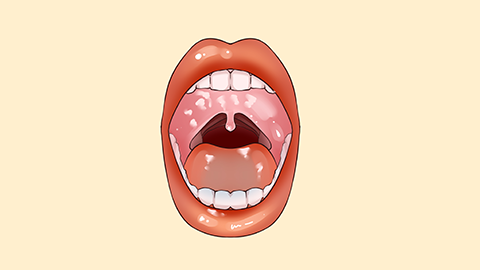
In Traditional Chinese Medicine (TCM), oral ulcers are often attributed to “excess stomach fire,” which may be triggered by factors such as frequent smoking or alcohol consumption, ingestion of spicy or heat-inducing foods, or dry ambient air. Initial treatment may involve TCM formulas aimed at clearing stomach heat—such as Niuhuang Qingwei Wan (Bezoar Detoxifying Stomach-Clearing Pills)—combined with vitamin supplements like vitamin B₂ tablets. If the ulcer is surrounded by marked erythema and swelling, and pain is severe, secondary bacterial infection cannot be ruled out; in such cases, adjunctive antibiotic therapy for anti-inflammatory effect is recommended.

Additionally, during episodes of oral ulcers, it is advisable to increase intake of vegetables and fruits—particularly those rich in vitamins—as they support ulcer healing. From a Western medical perspective, there is no restriction on meat consumption; all types of meat may be eaten normally. Most importantly, avoid direct irritation of the oral mucosa and steer clear of foods that exacerbate ulcer pain. We hope this information proves helpful!




