


Can staying up late cause nosebleeds?
Jun 08, 2022
Source: Cainiu Health

Dr. Xu Gang
Introduction
Frequent late-night activity can lead to epistaxis (nosebleeds) because it weakens the body’s immune defenses. In patients with chronic pharyngitis or chronic rhinitis, a decline in immunity may exacerbate nasal mucosal inflammation, resulting in nasal mucosal dryness and increased fragility of the capillaries in the nasal mucosa. Under these conditions, recurrent epistaxis may occur. Moreover, for individuals who habitually stay up late, recurrent nosebleeds are not the only consequence.
Nowadays, many people frequently stay up late. In fact, this habit is highly detrimental to their health and poses numerous health risks. Individuals who regularly stay up late tend to gain weight more easily than those with normal sleep patterns, feel fatigued and lack energy during the day, and gradually develop a dull or unhealthy complexion. In severe cases, the circadian rhythm may become disrupted—leading to persistent health issues. So, can staying up late cause nosebleeds?
Can staying up late cause nosebleeds?
Frequent late-night activity can indeed trigger nosebleeds. This is because chronic sleep deprivation weakens the body’s immune defenses. For individuals suffering from chronic pharyngitis or chronic rhinitis, reduced immunity may exacerbate nasal mucosal inflammation, resulting in dryness of the nasal mucosa and increased fragility of the capillaries within it. Under these conditions, recurrent epistaxis (nosebleeds) may occur. Moreover, for habitual night owls, frequent nosebleeds are only one consequence—chronic damage to multiple organ systems throughout the body may also ensue.
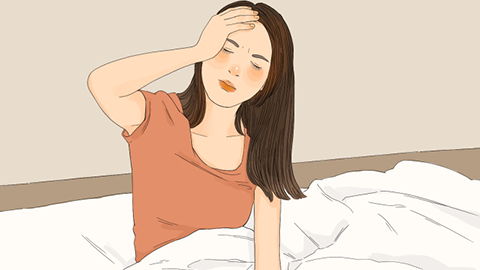
Staying up late disrupts the body’s circadian rhythm and impairs both resistance and immunity, rendering individuals more susceptible to bacterial and viral infections—potentially causing either acute or chronic inflammatory conditions in the upper respiratory tract or other organs. The adverse effects of sleep deprivation on the body are substantial. For example, patients with chronic pharyngitis may experience sore throat and discomfort; initially, these symptoms may appear mild and superficial, but prolonged sleep deprivation can eventually lead to abnormalities in blood pressure and blood glucose levels, as well as damage to internal organs. Therefore, it is strongly advised to avoid frequent late-night activity. If staying up late is unavoidable, timely physical recovery and readjustment are essential to restore normal physiological function.
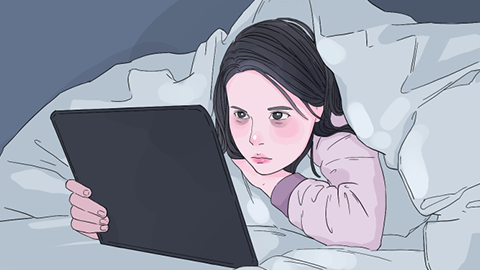
In daily life, cultivating healthy lifestyle and dietary habits is crucial. We hope this information proves helpful to you.








