


What should I do if my 18-month-old baby is drooling excessively?
Jun 09, 2022
Source: Cainiu Health

Dr. Ma Yan
Introduction
Parents must teach their children the habit of keeping their mouths closed while swallowing. Medications that regulate the spleen and stomach may also be used. If excessive drooling is observed in a 18-month-old infant, it is necessary to investigate the underlying cause. In many cases, infants at this age experience heightened salivary gland secretion, have underdeveloped swallowing function, or habitually keep their mouths open—leading to saliva spilling out of the mouth and resulting in drooling.
It is common for infants to drool, and some children continue to drool even as they grow older—causing concern among parents. So, what should parents do if their 18-month-old baby is drooling excessively?
What to Do If an 18-Month-Old Baby Is Drooling Excessively
Parents should guide their child to develop the habit of keeping the mouth closed and swallowing regularly. In addition, herbal or pharmaceutical interventions may be used to regulate spleen and stomach function. If excessive drooling in an 18-month-old is severe, it is essential to identify the underlying cause. In many cases, salivary gland secretion is particularly active at this age, while the infant’s swallowing ability remains underdeveloped; some babies also habitually keep their mouths open, allowing saliva to escape and resulting in drooling. From the perspective of Traditional Chinese Medicine (TCM), excessive drooling is often associated with “spleen deficiency.” First, parents should encourage the child to close the mouth and swallow properly to minimize saliva leakage. Second, spleen- and stomach-regulating medications may help reduce saliva production.
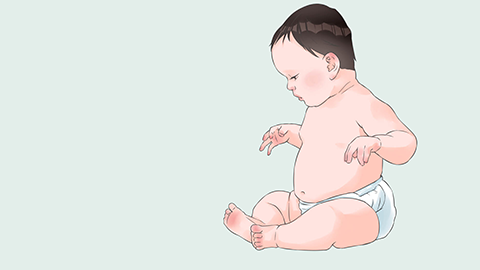
Severe drooling in a one-year-old may also stem from impaired spleen-stomach function or infectious stomatitis. If the baby has infectious stomatitis, symptoms may include fever, oral pain, red and swollen gums, and refusal to eat. In such cases, prompt medical evaluation and anti-infective, symptomatic treatment are required. If drooling results from spleen deficiency, dietary adjustments are important: feed the baby light, easily digestible foods and avoid cold or raw items. Spleen-strengthening herbal remedies may be considered. If drooling is due to teething, no specific treatment is needed—the condition typically resolves spontaneously.
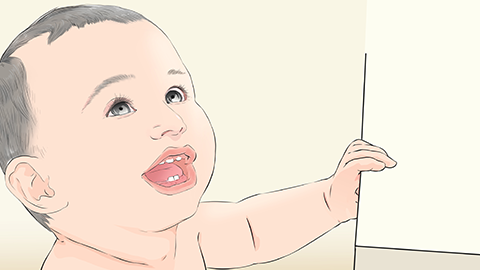
If drooling persists without improvement, timely medical consultation is advised. We hope this information is helpful to you.






