


What Should You Eat to Boost Your Body After Staying Up Late for Overtime Work?
Jun 09, 2022
Source: Cainiu Health

Dr. Liu Zhengxin
Introduction
Staying up late is harmful to health. Consuming more liver-protective foods—such as soybeans, milk, and sesame seeds—is beneficial. It’s also important to eat plenty of fresh vegetables and fruits, including tomatoes, carrots, pea shoots, red dates, goji berries, and mangoes. Moderately supplementing the diet with nuts—such as almonds, peanuts, walnuts, and cashews—also supports overall health. Prolonged sleep deprivation can significantly impair one’s appearance and well-being.
Malnutrition is a common condition, most frequently observed in children. When children become malnourished, parents naturally grow deeply concerned. Therefore, ensuring adequate nutritional intake for children in daily life is essential. A balanced diet combining meat and vegetables should be maintained to achieve comprehensive nutrition. So, what foods can help replenish the body after staying up late for work?
What to Eat to Replenish the Body After Staying Up Late for Work
When staying up late, it’s advisable to consume more foods that support liver health—such as soybeans, milk, and sesame seeds—as these are beneficial to the body. Fresh vegetables and fruits—including tomatoes, carrots, pea shoots, red dates (jujubes), goji berries, and mangoes—should also be eaten regularly. Moderately incorporating nuts like almonds, peanuts, walnuts, and cashews further supports overall health. Individuals who frequently stay up late often appear fatigued and unwell; consuming moderate amounts of donkey-hide gelatin (ejiao) may be helpful. Additionally, eating more red dates and yogurt—which aids gastrointestinal regulation—can be beneficial. Chronic sleep deprivation easily leads to gastrointestinal disorders, so drinking more yogurt is recommended.
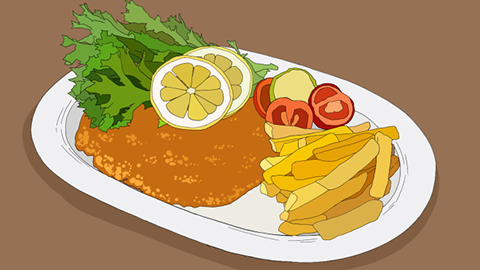
People who stay up late are advised to eat foods with heart-nourishing and calming properties—such as lily bulbs, tremella fungus (silver ear), and red dates—to support physical well-being. They should avoid overly greasy, spicy, or stimulating foods. Strong tea and coffee should be avoided before bedtime, as they may impair sleep quality and thereby exacerbate the adverse effects of sleep deprivation. Individuals who stay up late require adequate vitamins; foods such as carrots, tomatoes, black sesame seeds, soy products, and fresh milk are especially beneficial. Moreover, avoiding late-night activity altogether—and ensuring sufficient sleep—is crucial: adults should aim for at least 7–8 hours of rest per day.
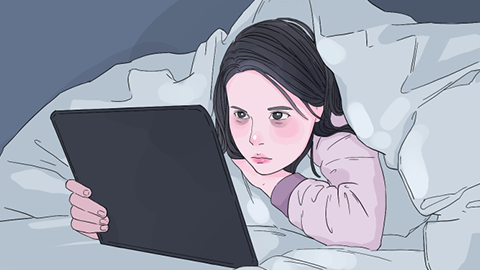
Patients are advised to avoid overeating, binge eating, or consuming fried foods, all of which may damage the gastrointestinal tract. Since staying up late harms health, it should be minimized whenever possible. We hope this information proves helpful to you.





