Is going to bed at 11 p.m. every day considered staying up late?
Jun 09, 2022
Source: Cainiu Health

Dr. Pan Yongyuan
Introduction
Going to bed at 11 p.m. daily is generally considered “staying up late,” but the criteria for this assessment vary across different population groups:
1. **Children and adolescents**: High-quality sleep during nighttime is crucial for physical growth and development. Given their age-specific physiological needs, bedtime around 9 p.m. is more appropriate; therefore, sleeping at 11 p.m. is regarded as staying up late.
2. **Young and middle-aged adults**: Their lifestyles and work schedules differ significantly.
Going to bed at 11 p.m.—is this considered “staying up late”? The answer isn’t absolute and depends on individual circumstances. Generally speaking, falling asleep at 11 p.m. is relatively late and may, to some extent, interfere with the body’s natural detoxification processes. So, does going to bed daily at 11 p.m. qualify as staying up late?
Does going to bed daily at 11 p.m. count as staying up late?
Going to bed at 11 p.m. is typically regarded as staying up late—but the criteria vary across different population groups. 1. Children and adolescents: High-quality nighttime sleep is crucial for their physical growth and development. Given their age-specific needs, bedtime around 9 p.m. is generally more appropriate; thus, sleeping at 11 p.m. is considered staying up late. 2. Young and middle-aged adults: Sleep patterns differ widely due to varying lifestyles and occupational demands. For individuals who rest during the day and work at night, going to bed at 11 p.m. would not be classified as staying up late. 3. Older adults: With advancing age, both sleep duration and quality tend to decline significantly. Most elderly individuals go to bed around 8–9 p.m. and wake up as early as 3–4 a.m. Therefore, for them, going to bed at 11 p.m. may also be considered staying up late.

Going to bed daily at 11 p.m. is generally acceptable—though if you wake up early in the morning, aiming for bedtime around 10 p.m. would be preferable. Healthy adults typically require 7–8 hours of sleep per night; teenagers need about 9–10 hours; school-age children usually require 10–12 hours; and infants and toddlers need even longer durations—often exceeding 14 hours. Ultimately, optimal sleep duration should align with your personal lifestyle and physiological needs. For most adults, ensuring 7–8 hours of quality sleep each night is ideal.
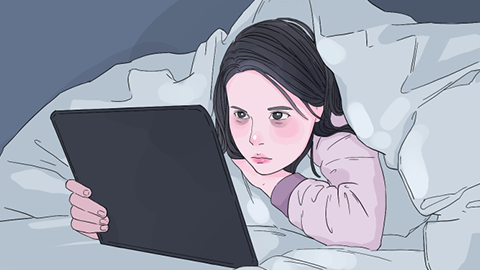
We still recommend going to bed earlier and avoiding deliberate smartphone use before sleep. We hope this response has been helpful to you.