


What should I do if my baby is drooling excessively?
Jun 09, 2022
Source: Cainiu Health

Dr. Ma Yan
Introduction
It is common for babies to drool frequently. This occurs because the mouth produces a large amount of saliva, which may cause some babies to drool. Prompt adjustment is recommended—gently wipe the baby’s saliva with a clean towel. The cotton towel must be kept dry and assigned to a specific person for use. After wiping the baby’s saliva, the towel should be washed promptly and disinfected by sun exposure.
During a baby’s development, frequent drooling may result from physiological causes or certain underlying medical conditions. Therefore, by carefully observing the baby’s specific symptoms and manifestations—and implementing appropriate interventions—serious neurological disorders can be prevented. So, what should you do if your baby is drooling excessively?
What to Do If Your Baby Is Drooling Excessively
Frequent drooling in babies is relatively common. This occurs because infants produce abundant saliva, which may lead some babies to drool more than others. Prompt management is recommended: gently wipe the drool with a clean towel. The towel—preferably made of soft cotton—must be kept dry and used exclusively for this purpose. After each use, thoroughly wash and disinfect it by sun exposure. Do not simply set it aside to air-dry in a shaded area, as this encourages bacterial growth, posing greater health risks to your baby. Reusing a damp or contaminated towel may irritate or damage the baby’s delicate skin. Persistent drooling could indicate a local infection; in rare cases, it may signal more serious conditions such as meningitis or abnormal brain development. In such instances, a comprehensive medical evaluation at a hospital is essential.
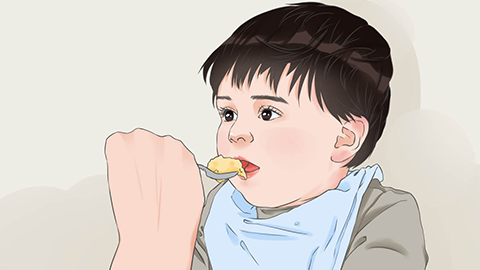
Excessive drooling may also stem from oral ulcers or sore throat. Conditions such as tonsillitis or pharyngitis can trigger increased salivation in infants and require timely treatment. If drool is not cleaned promptly, it may cause skin redness or even ulceration—especially around the mouth. In such cases, applying a protective ointment (e.g., a gentle barrier cream) to the affected areas, particularly near the lips, is advisable. Prolonged or untreated excessive drooling can adversely affect the baby’s overall health to varying degrees. Thus, adopting proper management strategies—including regular, gentle wiping—is crucial. Additionally, maintaining good personal hygiene and monitoring the baby’s general health are important preventive measures.
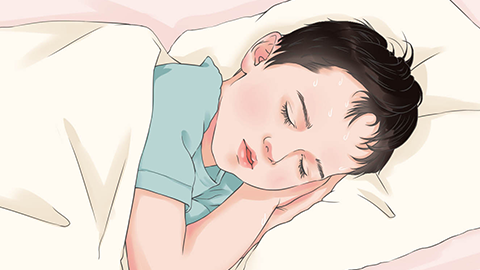
We recommend incorporating vitamin C–rich foods—such as fresh fruits and vegetables—into the baby’s diet, along with light, nutritious, and palatable meals. Ensure adequate rest as well. We hope this information proves helpful.






