


What should be done for infant pneumonia?
Jun 09, 2022
Source: Cainiu Health

Dr. Ma Yan
Introduction
If an infant develops pneumonia, drug therapy and symptomatic treatment can be administered. First, appropriate medications should be selected based on the underlying cause and the infant’s specific clinical condition. Symptomatic treatment addresses common discomforts associated with pneumonia in infants—such as cough, fever, and respiratory distress. Parents should manage symptoms accordingly; for example, when the infant is coughing, gentle back patting (chest physiotherapy) is recommended.
Infants not only have fragile bodies but also underdeveloped lungs. Even minor lapses in care can lead to pneumonia. Infantile pneumonia is primarily caused by bacterial or viral infections, and may also result from mycoplasma infection. This condition poses significant harm to an infant’s respiratory system. So, what should be done if an infant develops pneumonia?
How to Manage Infantile Pneumonia
If an infant is diagnosed with pneumonia, treatment typically involves pharmacotherapy and symptomatic management. First, appropriate medications must be selected based on the underlying cause and the infant’s specific clinical condition. Symptomatic treatment addresses common manifestations such as cough, fever, and respiratory distress. Parents should tailor interventions to each symptom—for example, gently patting the infant’s back when coughing occurs. If necessary, expectorant or antitussive medications may be administered under a physician’s guidance. For fever, physical cooling methods or antipyretic medications may be used.
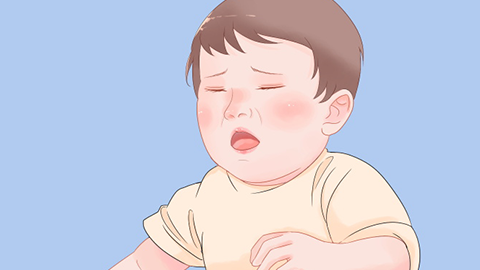
After diagnosis, maintain optimal indoor temperature and humidity to minimize irritation to the respiratory mucosa and facilitate clearance of respiratory secretions. Ensure adequate ventilation to prevent cross-infection. Pay close attention to nutrition and hydration—exclusive breastfeeding is strongly recommended whenever possible. Keep the infant’s airway patent by promptly removing nasal crusts, nasal secretions, and tracheobronchial mucus. Improve ventilatory function by enhancing alveolar ventilation, correcting hypoxia, and reducing CO2 retention. Closely monitor the infant’s body temperature; if it exceeds 38.5°C, administer antipyretics promptly. For persistent low-grade fever, physical cooling measures should be employed to alleviate discomfort.
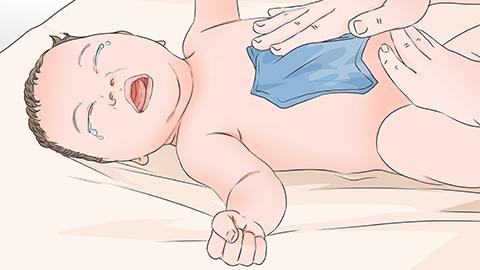
Because infants are too young to verbalize their symptoms, prompt medical evaluation and treatment at a healthcare facility are essential. We hope this information proves helpful.





