What are the impacts of pneumonia on college students' mental health?
Dec 08, 2025
Source: Cainiu Health

Dr. Zhang Baohua
Introduction
Pneumonia can impact college students' mental health by triggering anxiety, fostering depressive tendencies, causing difficulties related to social isolation, increasing academic pressure, and inducing distortions in self-perception. The physical and psychological discomfort brought by the illness easily affects one's mental state. If persistent low mood, insomnia, or self-negativity lasts for more than two weeks, prompt medical consultation is recommended.
Pneumonia can negatively impact college students' mental health by triggering anxiety, leading to depressive tendencies, causing social isolation distress, creating academic pressure, and inducing self-perception distortions. The physical and emotional discomfort brought by the illness easily affects psychological well-being. If symptoms such as persistent low mood, insomnia, or self-negativity last for more than two weeks, prompt medical consultation is recommended.
1. Triggering anxiety: The prolonged treatment course and uncertain recovery process of pneumonia may cause college students to worry about disease progression, treatment effectiveness, and medical expenses. Combined with physical discomfort, this often leads to anxious manifestations such as tension, irritability, and restlessness.
2. Developing depressive tendencies: Feelings of loneliness during illness, physical exhaustion during recovery, and disruptions to normal life may lead students to experience low mood, reduced interest, and lack of energy, gradually developing depressive tendencies.
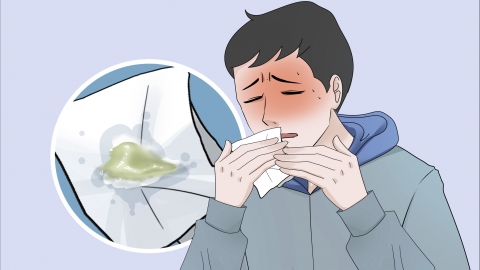
3. Causing social isolation distress: As pneumonia is contagious, affected students must undergo isolation treatment, temporarily separating them from group life. The lack of social interaction may lead to feelings of loneliness and alienation, affecting their perception of interpersonal relationships.
4. Creating academic pressure: Being unable to attend classes, take exams, or complete academic tasks during illness causes concerns about declining grades and falling behind in studies, imposing significant academic stress and increasing psychological anxiety.
5. Inducing self-perception distortions: Some students may develop feelings of guilt due to illness or worry that their physical condition will not fully recover, leading to doubts about their health and abilities, and resulting in negative self-evaluation and cognitive distortions.
In daily life, students should communicate openly with family and friends to relieve psychological stress, plan study tasks reasonably during recovery, avoid excessive anxiety, cultivate hobbies to shift focus, maintain regular routines, and foster a positive mindset to support holistic physical and mental recovery.